How will the upcoming exhibition approach this topic?
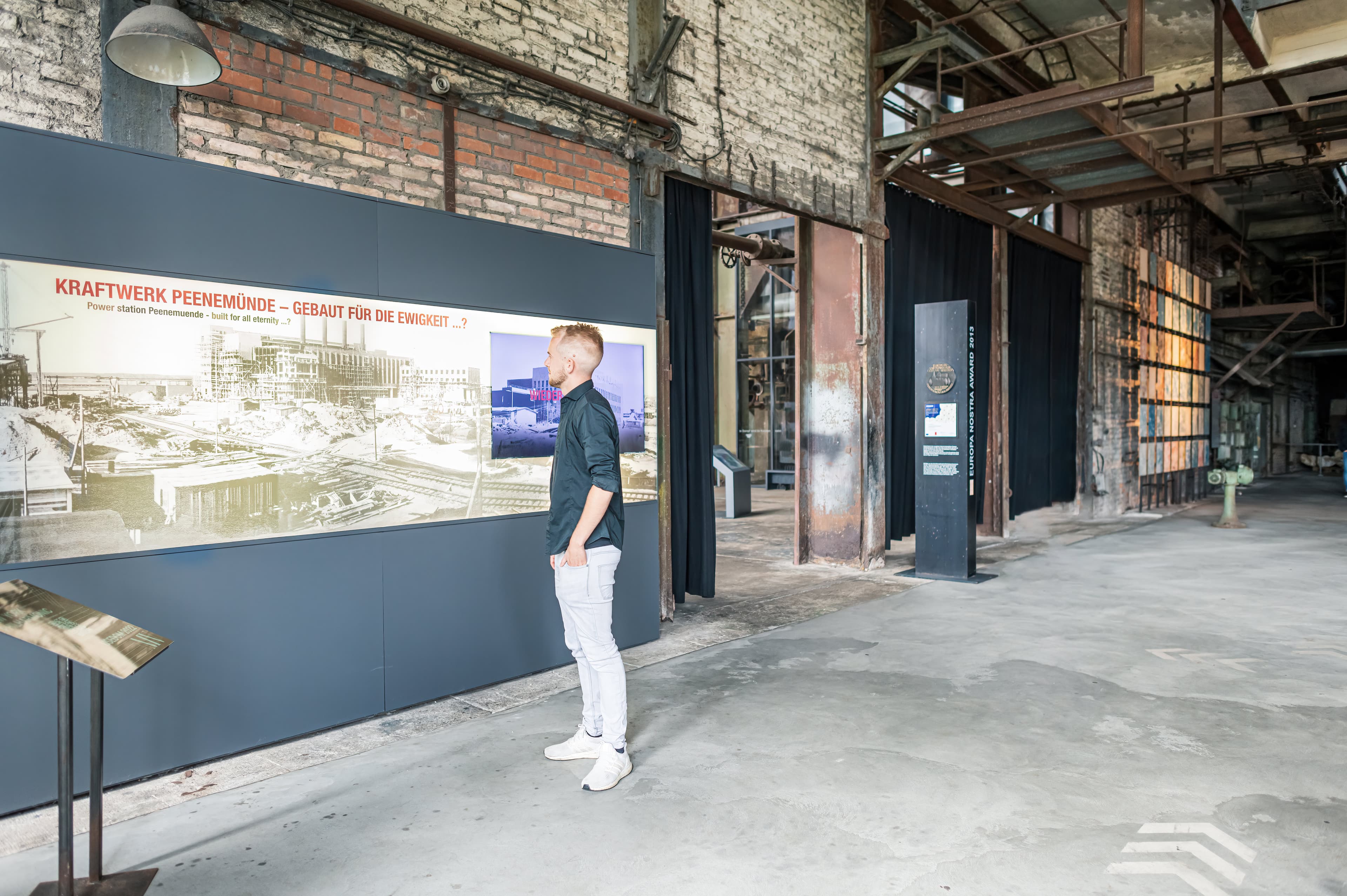
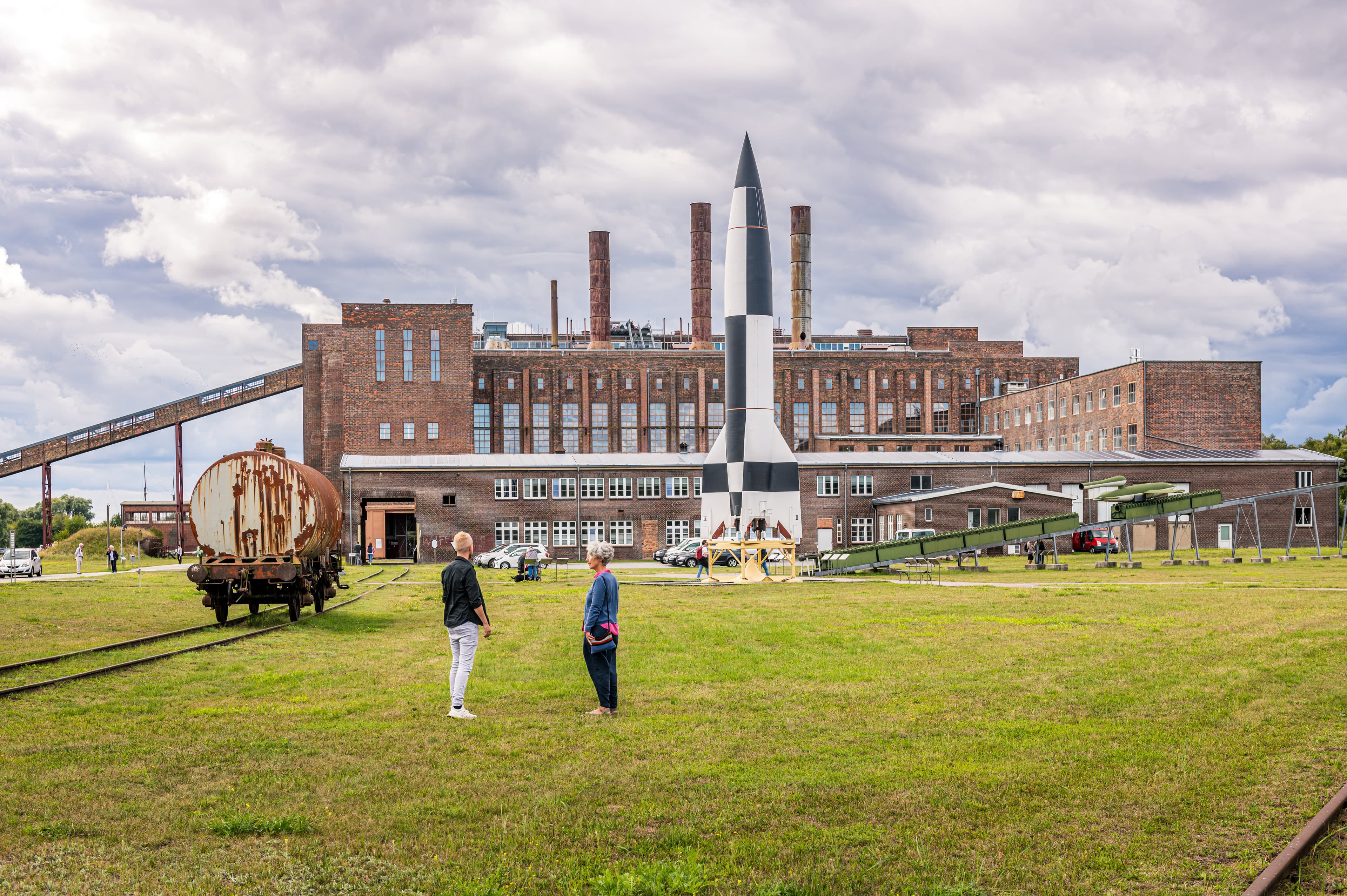
We want to trace the journey from the initial idea of winning a war through superior technology to the realization and deployment of the rocket, and ask: What is this place, who worked here, and what were the motives and expectations surrounding this new technology? Here on site, we can showcase the infrastructure of that time and bring to life the immense effort and the work of thousands of people. The new exhibition will also address the question of “why”: What did the Wehrmacht leadership hope to achieve with it at the time? How, did they think, could they win the war? The exhibition will present the weaponry center between 1936 and 1945 and showcase the strategies of high-tech warfare. Alongside this, we’ll explore the town of Peenemünde from various perspectives through smaller exhibitions. Why were the engineers able to continue working seamlessly after the war ended? Was Wernher von Braun a genius or a criminal—or both? What role does Peenemünde play in the history of spaceflight? How did the Peenemünde test sites shape the landscape of the island’s northern tip—and vice versa?
On the vacation islands of Rügen and Usedom, traces of the Nazi era are still visible. How do Prora and Peenemünde coexist with tourism?
Prora and Peenemünde are uncomfortable tourist destinations. They’re not pretty or fun, but they’re certainly very interesting. We’ve found that vacationers are quite willing to engage with this serious topic. That’s sightseeing, as well. In terms of tourism, it works just like the seaside villas – only with more challenging content. The monumental is, quite literally, striking and impressive. Our job is to ensure that it doesn’t stop at the “wow” factor, but that the museum also inspires reflection.
Who are the museum’s typical visitors? Who does the exhibition appeal to?
Eighty percent of our visitors are tourists, but the museum also caters to locals. The proportion of international visitors is relatively high—about 15 percent—including many day-trippers from Poland. That’s significantly more than on the island or in Mecklenburg-Western Pomerania, where foreign tourists make up just three percent of the total. Peenemünde plays a major role in the state’s image; it’s a landmark, so to speak. Quite a few people come here specifically to visit Peenemünde. I once had a visitor from the U.S. who, while on a trip through Europe, made a quick detour to Peenemünde from London. Just because he happened to be in the area (laughs). Or cruise ship passengers who skip the itinerary in Rostock and take a taxi to Peenemünde. For these people, it’s about seeing Peenemünde at least once in their lives.