Exploring Wolgast - Part 1
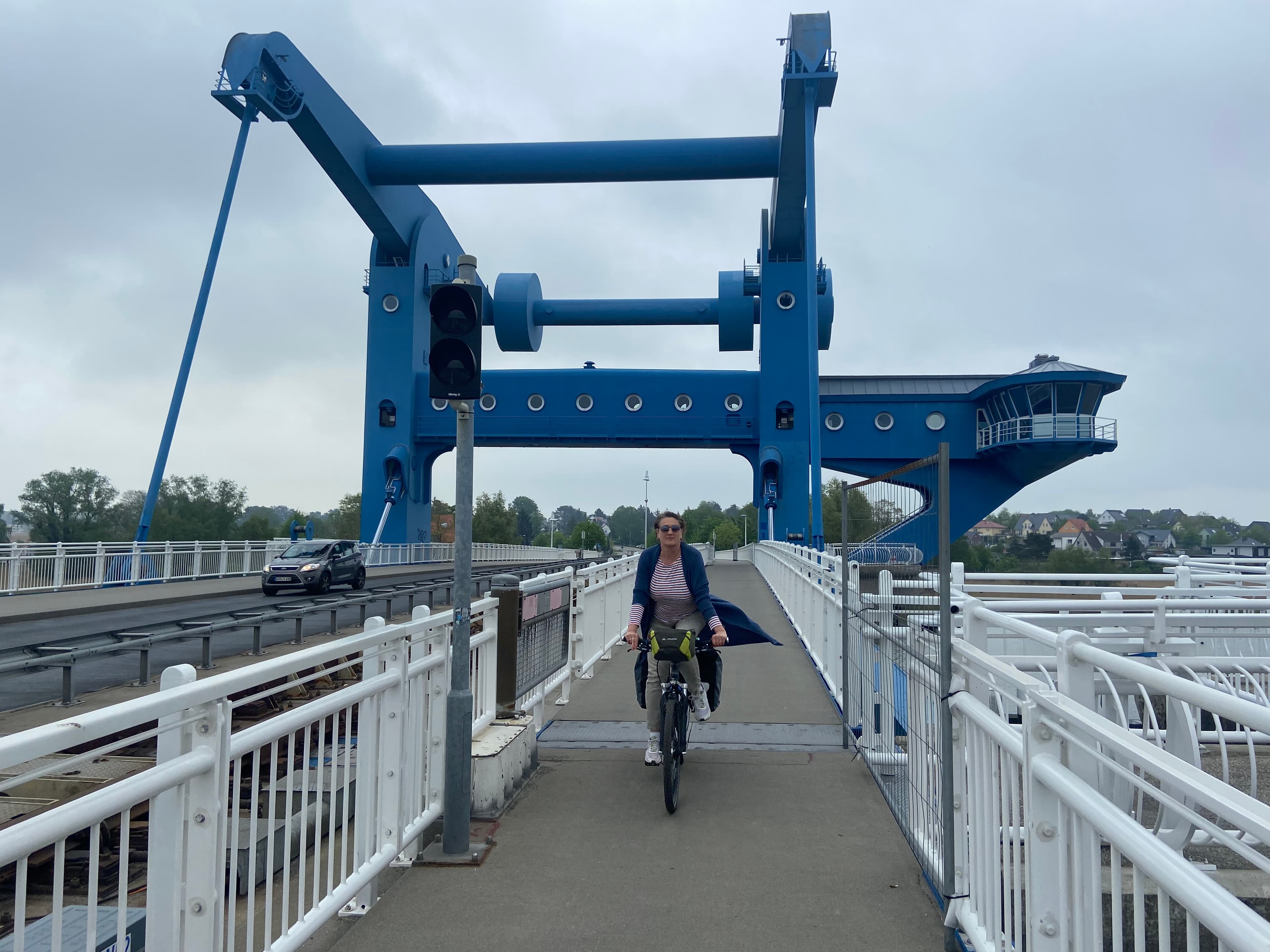
Green lifestyle and travel journalist Anke Sademann discovered small, large, and old treasures in Wolgast when she cycled along the Baltic Sea Coast Cycle Route to the historic town on the Peene River. Here, she shares her impressions of maritime highlights and Wolgast’s coffee culture.
Castle in the Air Next to the Blue Wonder
About five to six times a day, the sky-blue Peene Bridge opens in Wolgast. Many people watch this mechanical process with childlike enthusiasm as the imposing bascule bridge opens like an oversized Lego toy to allow the floating rush hour traffic to pass through the Peene River for a quarter of an hour. Like its counterpart in Dresden, it is also called the “Blue Wonder.” Most people use it to reach the “Sun Island” by regional train, bicycle, but above all by car. 70% of the “passersby” are tourists visiting the island who pay little attention to the city itself. During peak season, as many as 12,500 vehicles a day speed through the port city on the B 111 and get stuck in traffic due to the bottleneck*. Yet Wolgast is a little gem of a town that invites you to linger. If you take the time to get to know Wolgast’s history better, you’ll be amazed and want to stay a little longer.
*As part of the construction of a 6.3-kilometer-long bypass, a 1.5-kilometer-long road bridge over the Peenestrom is planned. The project is expected to be fully completed in 2028.
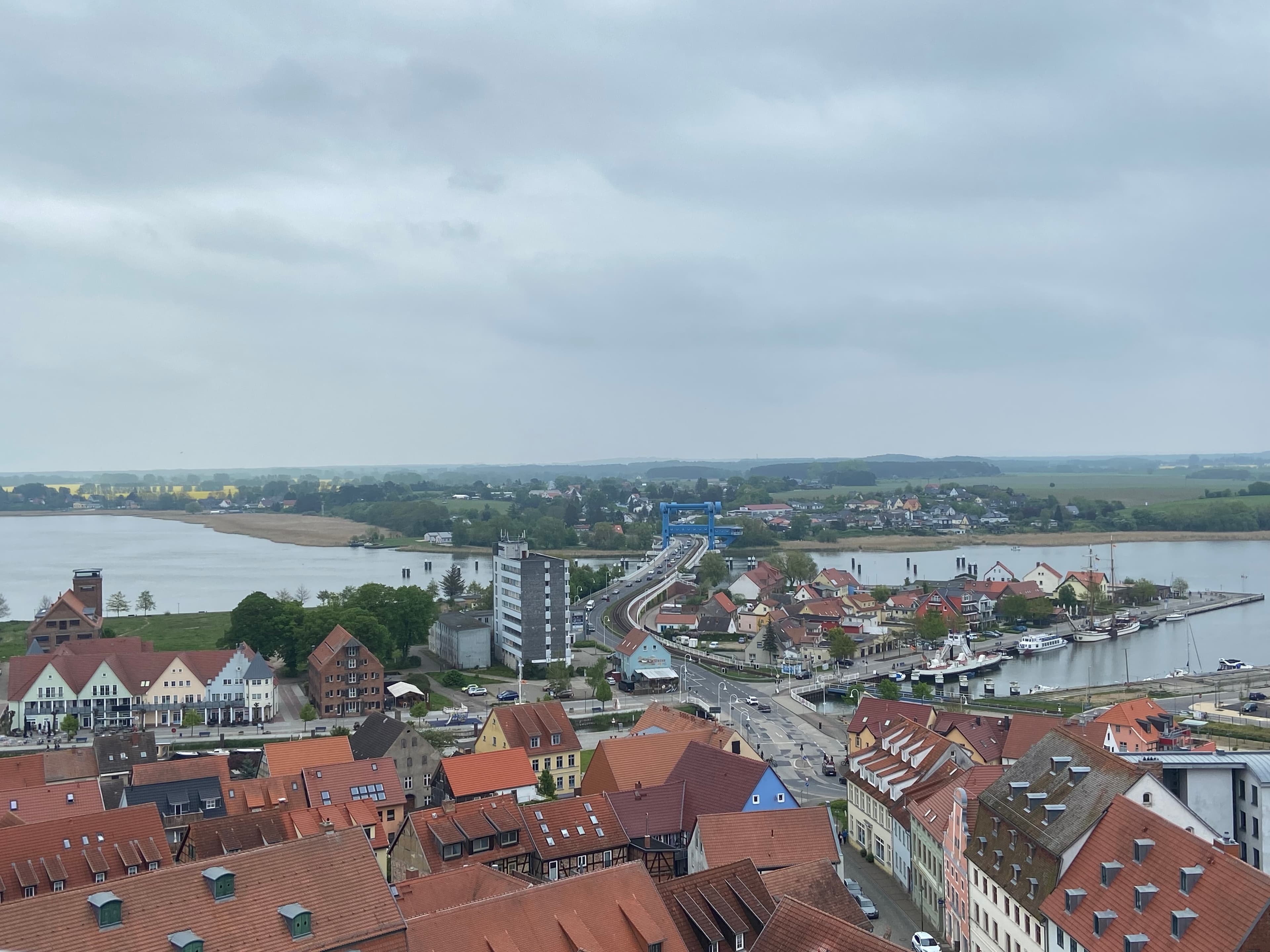
A City Gem at Second Glance
Like Anklam, Wolgast is considered a town near the island of Usedom. This small town, with a population of over 12,000, lies largely on the western bank of the Peenestrom. The estuary formed by the Oder and the Peene River—with its many nature reserves and a 100% natural, unregulated course—separates the “Sun Island” from the mainland. We wanted to see for ourselves whether it was worth setting aside a day or even two to explore this town, with its Baroque and medieval charm. We cycled from Greifswald to Wolgast along the adjacent “Baltic Sea Coast Cycle Route” (also known as “EuroVelo Route 10”) and were thrilled by everything this by no means unremarkable little town has to offer.
Century-old ships slumber in the harbor
From the museum harbor, the silhouette of the historic city center—which remained almost entirely intact during World War II—rises toward the sky like a paper cutout. Nestled between Schlossinsel (Castle Island)—a vacant green space without a castle (more on that later)—and the former fish market lies the museum harbor. From here, a century-old vessel makes its rounds a few times a week all the way to Peenemünde or to the fishing village of Freest. The Wolgast steam ferry “Stralsund” was first given that name in 1631. In 1911, the railroad line to Heringsdorf was also completed. Since 2000, the construction of the new Peene Bridge (the old one was blown up at the end of the war in 1945) has made direct rail service possible to the island of Usedom and on to Swinemünde, Poland. In the past, the Peene Shipyard in the city harbor was a bustling hub with some 4,000 workers. Today, only a few dockworkers still go about their daily work. If you’re lucky, Her Majesty—the “Weiße Düne”—will grace you with her presence. Built in 1909, this elegant sailing ship with the distinguished name sets sail from the port of Wolgast, heading through the Achterwasser and the Szczecin Lagoon with a fresh Baltic Sea breeze toward Neppermin and Ueckermünde.
Romanticism was invented on Kronwieck Street
Right on the harbor and across from some remnants of the city wall stands the birthplace of Philipp Otto Runge (1777–1810). The powder-pink house, which also served as the painter’s studio, is also known as the “Cradle of Romanticism.” It seems as though it has been transported here from another era. This early Romantic is said to have invented the first color wheel and, even before Caspar David Friedrich, to have captured the new color palette of the Romantic art era on his easel. His four copperplate engravings—Morning, Evening, Day, and Night—are considered the origin of the Romantic art form in Germany. In the exhibition, which opened in 2017, visitors can interactively explore the artist and his life’s work. During the annual Culture Night in August, the house and courtyard are also open for concerts.
Medieval town center with a Baroque feel
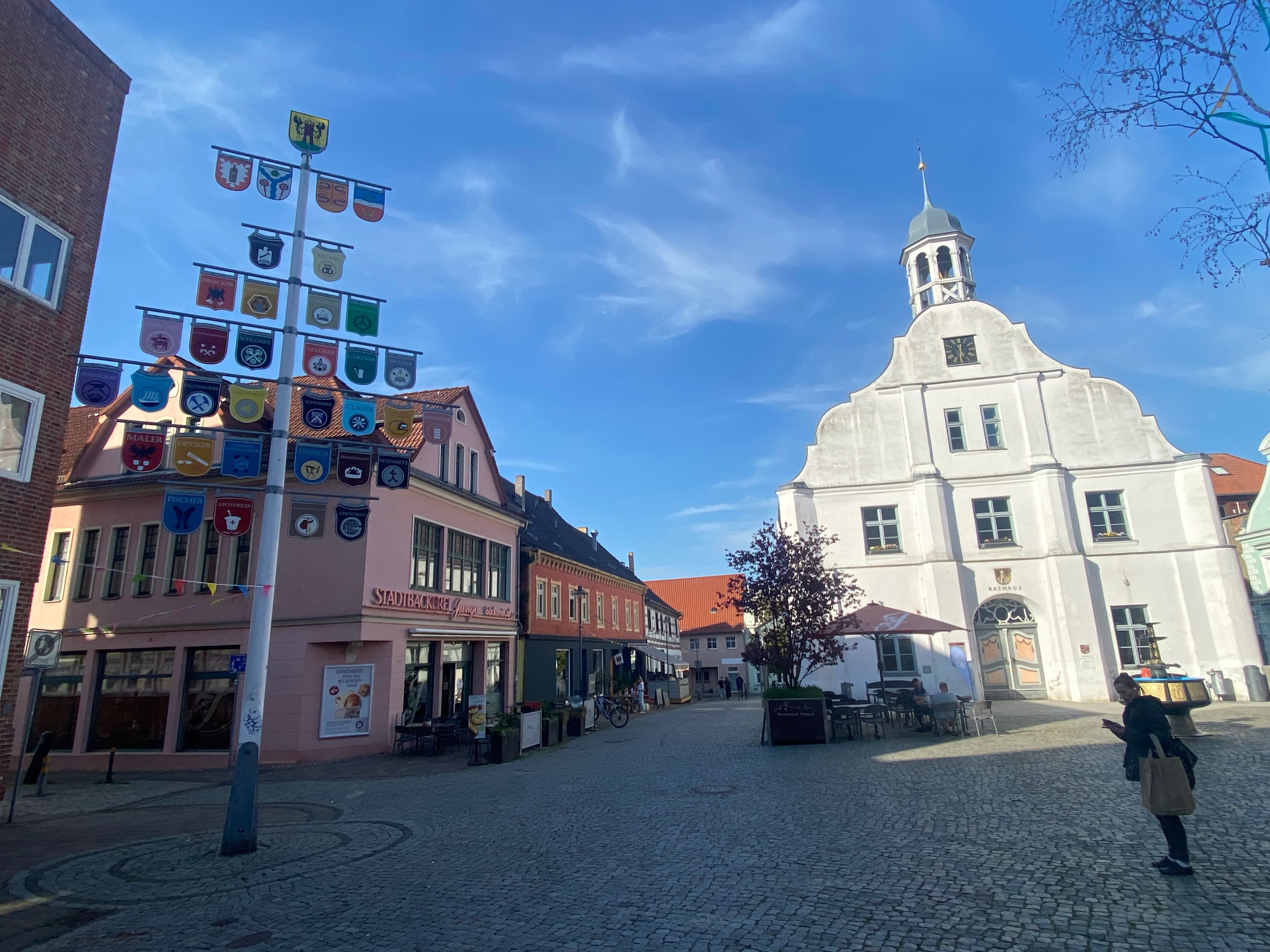
Perhaps the colorful guild tree on the market square (market day is always Thursday) also stands in honor of Runge. The fountain in front of the cream-white Renaissance town hall depicts the history of Wolgast in twelve relief motifs. The independent mayor, Martin Schröter, also has his office in the town hall. Elected in 2022, the former blacksmith, farmer, and furniture designer helped design and renovate the Wilhelminian-style post office building from 1885 in the town center in 2014, transforming it into the “Postel” (formerly a hostel, now a hotel and our home away from home in Wolgast). In addition to a dozen creatively designed themed rooms featuring many “revived” vintage finds, the Postel also offers a shop selling regional products, its own herb garden, green energy and water supply, and a charging station for electric vehicles. The project—which transformed the post and telecommunications office, closed in the 1990s, into an upcycled, cozy place to linger—spread so much positive energy for change that the residents of Wolgast went ahead and elected Martin Schröter as their mayor.
Coffee Culture at the Inventor of Whipped Cream
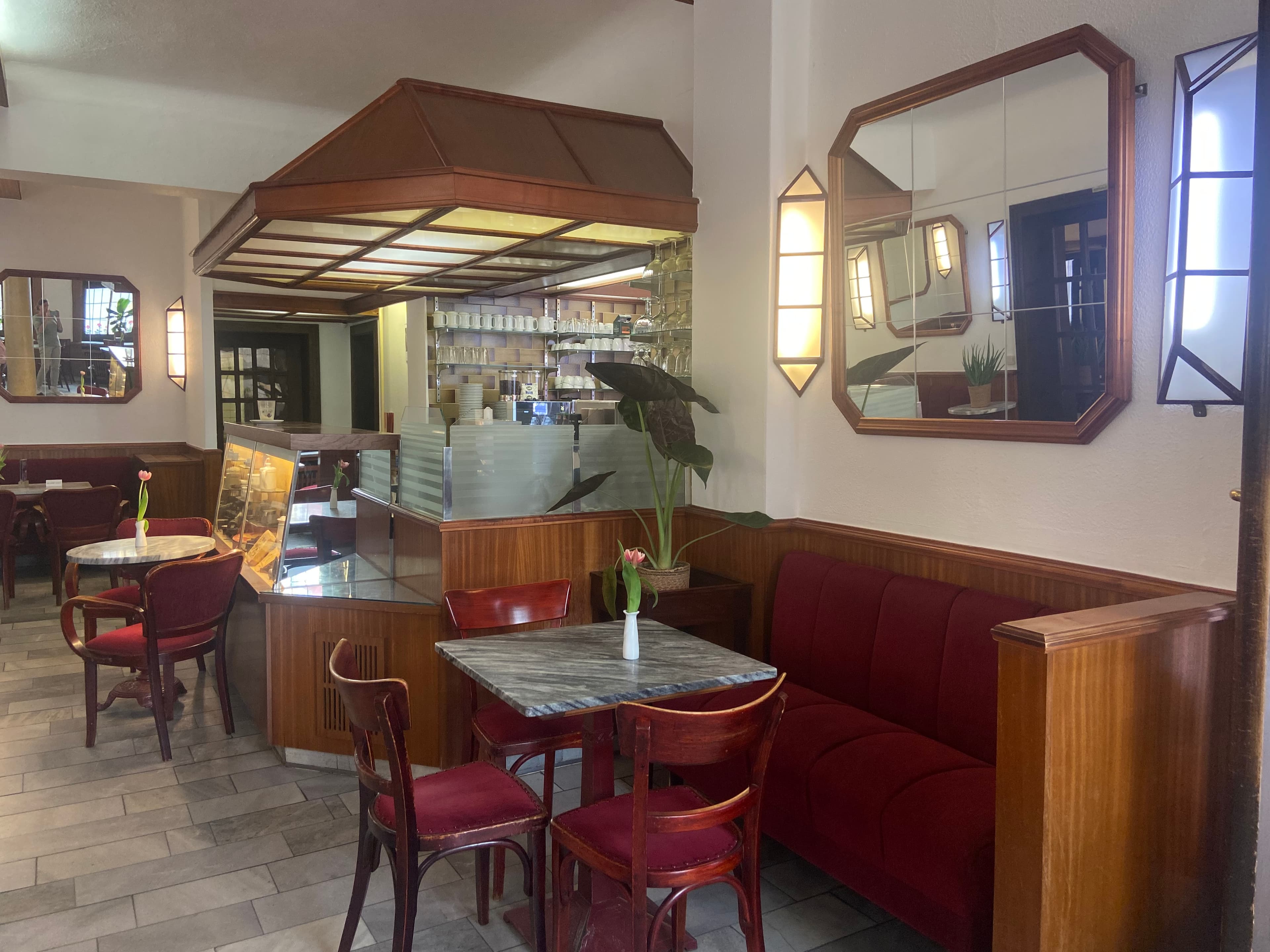
We have a lunchtime appointment with another master—one with a passion for music and exquisite watercolor painting—and before that, we’re stopping for a hot drink at the city’s oldest coffeehouse, which has just reopened after years of standing vacant—the café, pastry shop, and “steam bakery” Arthur Biedenweg, which had just reopened after years of standing vacant. During the GDR era, fruit and eggs were preserved here, and it’s said that whipped cream with a “k” was invented here as a substitute for real cream. Supply shortages during hard times were offset by dance events. Just a few meters away, a popular inclusive café has recently opened.
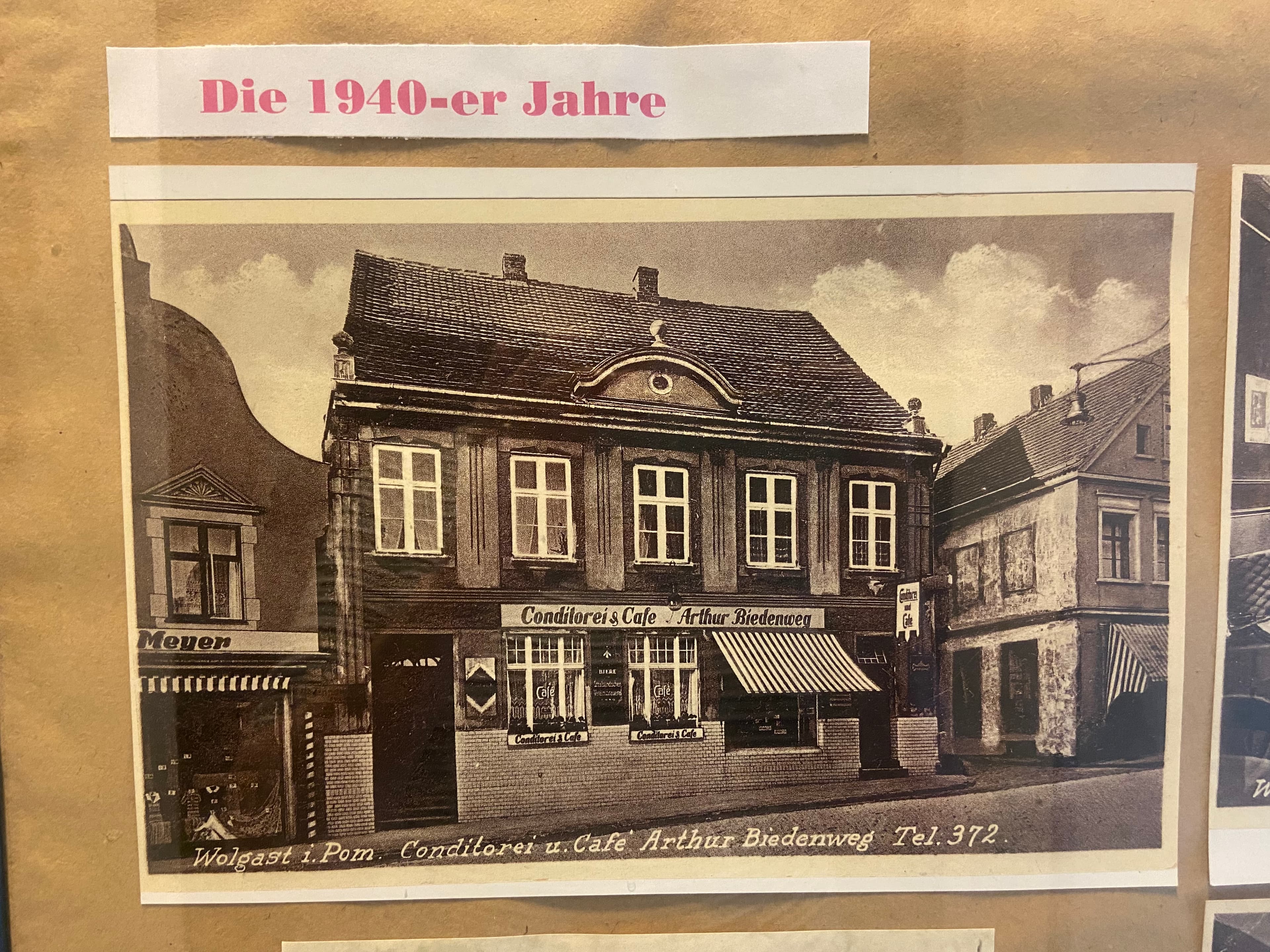
A coffee grinder brings city stories to life in 3D
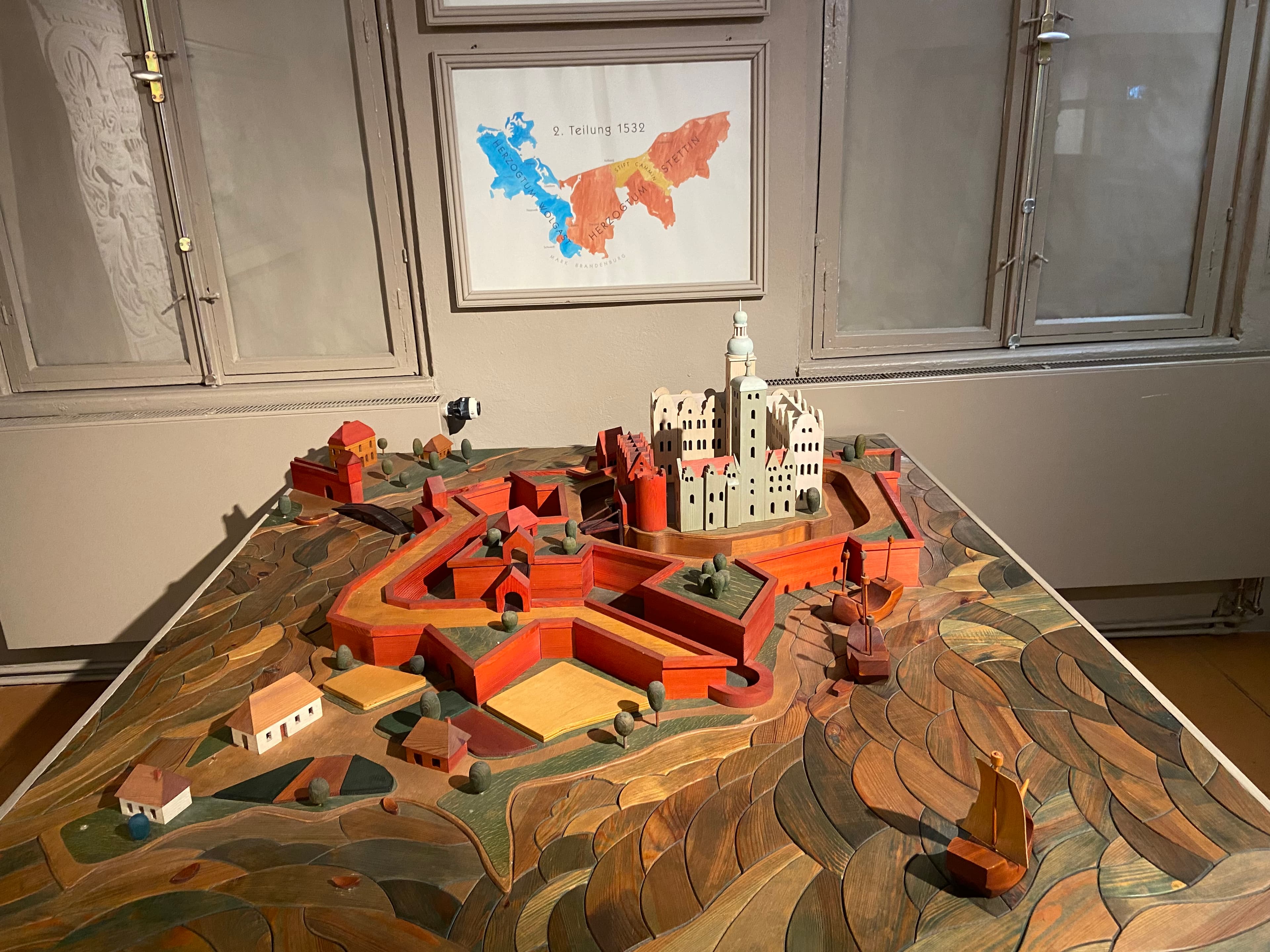
At the Kaffeemühle Museum of Local History, visitors can see not only the original Freest fishermen’s tapestries but also learn about the turbulent history of the much-contested former capital of the Dukes of Pomerania. The exhibition traces the city’s development from the 8th century through the Swedish occupation during the Thirty Years’ War, the seafaring tradition, and industrialization, up to the era of fascism and socialism. Above all, however, the exhibition reveals the mystery of the Wolgast Renaissance castle, which was finally destroyed in 1713. A digital city castle, reconstructed in 3-D based on the works of contemporary painters, has recently been put on display at the museum. Incidentally, the museum is called “Kaffeemühle” because of the shape of its building. It used to be an inn. Back then, the place smelled, at most, of coffee and hearty home-cooked meals paired with freshly tapped coastal beer.
To be continued...
In August, Anke Sademann will share in our magazine what else she experienced during her visit to Wolgast.
About the Author: Anke Sademann
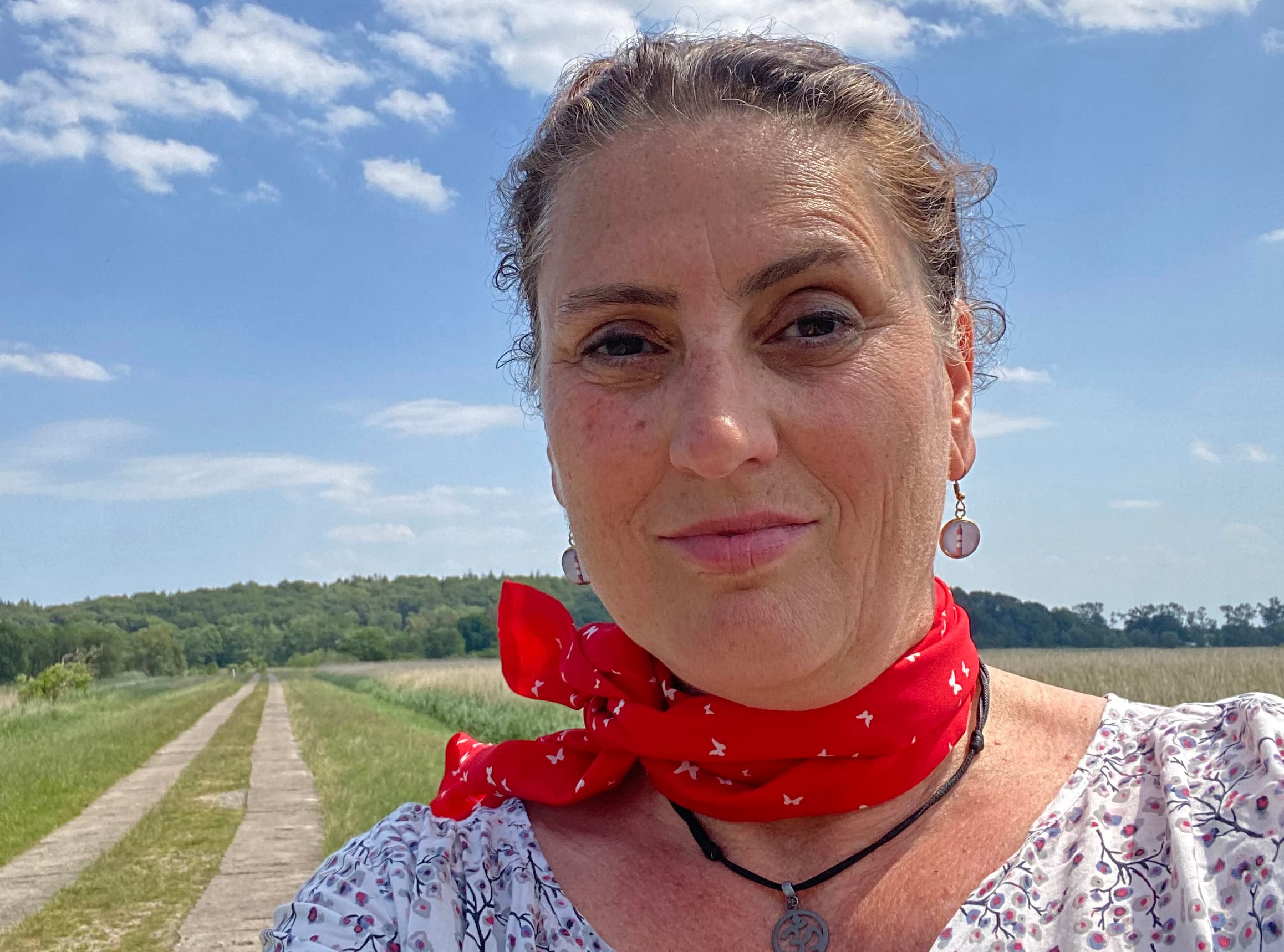
Green lifestyle and travel journalist and author Anke Sademann doesn’t just roam through European regions. For more than a decade, this slow-travel specialist has also been exploring her adopted home of Berlin and its surrounding areas all the way up to the coast. Anke Sademann writes for various magazines and newspapers, focusing on mindful living. She has also visited our “sun island”: in an authentic and approachable way, she shares her very personal perspective on Usedom and its natural and travel offerings.
Share this discovery
By clicking the icons, you leave this website.