Fighting the Winter Blues

As the dark and cold season sets in, many people’s moods take a turn for the worse. Not only do they feel tired and powerless, but they often feel sad as well. There are a few ways to combat the winter and fall blues.
Stay Active to Fight the Winter Blues
The days are getting shorter, and time spent in the sun is reduced to a minimum. If persistent tiredness or negative thoughts occur regularly every year, this is also referred to as winter depression/seasonal affective disorder (SAD). It can manifest itself in mild or severe ways. Unlike serious depression, there are several ways to counteract the symptoms of the winter and fall blues. Then you can focus on the beautiful things again. After all, despite the lack of light, this time of year has many wonderful aspects.
Winter Blues—What Is It?
The longer days of spring and the warm summer that follows lift most people’s spirits. In contrast, far fewer people look forward to the cold, wet weather of fall and the dark winter months. Just thinking about this time of year can get you down. The seasonal dip in mood during the dark months is often referred to as the winter or fall blues. People also often speak of “winter depression.” However, this temporary mood should not be confused with true depression, which does not simply disappear with the change of seasons. Nevertheless, many people affected suffer to a greater or lesser extent from this low mood.
Lack of Light as a Cause of the Winter Blues
In the morning, it’s still dark on the way to work, school, or college, and by evening, the sun has already set. During the day, artificial light from lit rooms is often the only source of light. But natural daylight is essential for lifting one’s mood. This is because sunlight has a decisive influence on hormonal balance. The lack of light means less vitamin D3 is absorbed from the sun, and the production of the hormones serotonin and melatonin is altered. Serotonin normally ensures that we feel energetic and happy. Melatonin, on the other hand, is known as the sleep hormone and is suppressed by light. However, this effect can only be achieved to a limited extent with artificial lighting.
Sunlight has a different composition than artificial lighting. The natural color of light changes depending on the time of day, even though the human eye always perceives light as white. In the morning and at midday, the blue component dominates, and in the evening, sunlight takes on a reddish tint. As the blue component decreases, melatonin is released in increasing amounts. This prepares the body for sleep. On the other hand, as light levels decrease, so does the production of serotonin, the mood-boosting hormone. A lack of light can therefore lead to changes in hormone balance, causing a good mood to fade and fatigue to set in instead. This can happen even when regular sleep and rest schedules are maintained.
What are the typical symptoms of the winter blues?
The winter or fall blues can manifest through many different symptoms of varying severity. Persistent exhaustion is particularly common in the early stages. This makes it difficult to get out of bed in the morning and start the day with energy. As daylight hours decrease, many people feel sluggish and lack motivation. They also lack the energy they’re used to having during the day. Many people affected have little desire to do anything. On the other hand, they feel a heightened craving for rest, sweets, and foods high in carbohydrates. As a result, the fall blues are often associated with weight gain. The symptoms don’t disappear until the days get longer again and those affected spend more time in daylight.
Winter Blues or Winter Depression?
The winter and fall blues are therefore directly linked to the seasons. With the onset of spring, this phase comes to an end, and the usual vitality generally returns. The spring sun, in particular, gives those affected a new sense of energy, and the gloomy times are quickly forgotten. However, winter fatigue does not always disappear with the arrival of warmer weather. In some cases, the symptoms remain or occur with an intensity that makes daily life increasingly difficult. In such cases, it’s important to determine whether the symptoms are still those of the winter blues, winter depression, or full-blown depression.
Winter depression is diagnosed when patients suffer from the typical seasonal symptoms for several weeks in at least two consecutive years:
- Lack of motivation and increased fatigue
- depressed mood
- physical complaints, such as stomach or back pain
If external factors do not bring about any improvement, winter depression is often suspected. The typical winter blues symptoms, on the other hand, are easier to influence. Symptoms such as insomnia or a loss of appetite generally do not indicate the winter blues or winter depression. If in doubt, a doctor can help distinguish between the two conditions and make a diagnosis. Seeing a doctor is especially recommended if symptoms are severe and persistent.
Who is particularly prone to the winter blues?
While some people are affected by the winter blues every year, the lack of light seems to pass without a trace for others. Certain risk factors are believed to contribute to this negative mood. People who work indoors under artificial lighting during the day are at particular risk of suffering from the winter blues. This is because, during the cold season, they almost exclusively go outside after dark. They simply don’t get enough sunlight. Other risk factors include a lack of physical activity, which often means they miss out on beneficial outdoor activities.
Tips for Fighting the Winter Blues
The winter and fall blues are a widespread phenomenon. Nevertheless, there are many ways to avoid or alleviate the symptoms. First and foremost, this includes spending time outdoors in daylight. Even on cloudy days, sunlight has a positive effect on hormone balance.
In addition, the following tips can help you overcome the winter and fall blues:
- Activities with a partner, friends, and family
- Walks
- Mood-enhancing music
- Watching movies
- Using special lamps for light therapy
- Exercise and physical activities
Exercise and sports not only keep you fit but also supply the body with hormones. Endorphins, dopamine, and serotonin act as mood boosters. Those who exercise regularly even during the cold season will suffer less from winter blues symptoms or may even be able to avoid them entirely. With all these tips for combating the winter blues, don’t forget to spend as much time together as possible and to laugh. Laughter has a positive effect on both physical and mental health and also improves ventilation in the bronchi. Laughing engages hundreds of muscles and stimulates the cardiovascular system. Cuddling together also has a positive effect on the body and boosts levels of “happiness hormones.”
More Time for Rest and Relaxation to Combat the Winter Blues
On the other hand, the body craves more rest during the dark winter months. That’s why it can help to consciously slow down in order to recharge:
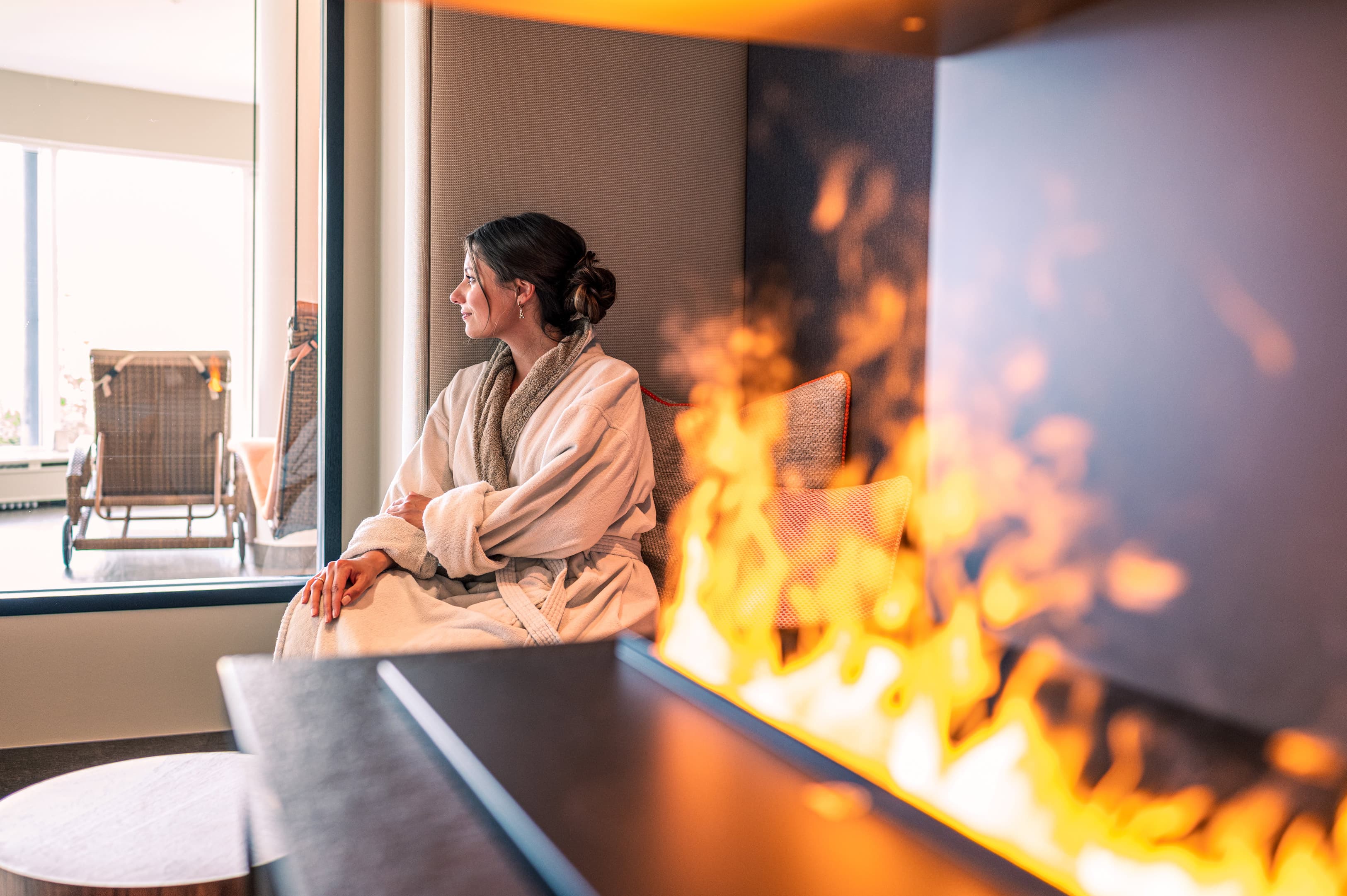
- Wellness: Treatments such as soothing massages offer the opportunity for targeted relaxation. In particular, heat treatments or a classic sauna visit have a positive effect on mood during these times.
- Warm drinks: Teas and other beverages warm the body from the inside and create a cozy feeling.
- Food: A delicious meal is not only soothing but can also help supply the body with important nutrients. This includes, in particular, foods that contain the amino acid tryptophan, which helps replenish serotonin levels. Tryptophan is found, for example, in nuts, oatmeal, eggs, and amaranth.
- Adequate Sleep: As the days grow longer, the body craves more sleep. That’s why adjusting your sleep schedule to the season’s demands can help combat the symptoms of the winter blues.
Wellness and Relaxation to Fighting the Winter Blues
There are many tips for fighting the winter blues. What they all have in common is that the symptoms can be overcome with measures that promote your well-being and provide more light and fresh air. In particular, activities that counteract fatigue have a positive effect on your mood. The island of Usedom offers excellent conditions for this. But there are surely plenty of options right in your own neighborhood as well. It doesn’t matter whether you prefer a walk in the woods or a spa day in your own bathtub. Throughout Germany, the numerous hiking and biking trails invite you to enjoy outdoor activities. This can also counteract a lack of light in the fall and winter and help alleviate symptoms of the winter blues. On Usedom, for example, many trails run along the Baltic Sea, past kilometers of sandy beaches or through the imperial resorts with their attractions. But why wander so far…? Have you ever taken the time to find out what wonderful things your own town has to offer? Times when we’re not allowed to travel provide plenty of incentives to explore our own surroundings and see them with fresh eyes.
Plenty of light when it's sunny outside
It’s not just leisure activities that can help people avoid the symptoms of the winter blues, but especially sunlight on clear winter days. Although spring and summer have the most hours of sunshine, the sun still makes frequent appearances during the other seasons as well. This sunlight counteracts a lack of light and boosts your mood. Even a walk on a cloudy day is still many times more effective than artificial light.
Activities to fight Typical Winter Blues Symptoms
If you want to make the most of sunlight even in the fall and winter, there are plenty of ways to get active. Popular activities include, for example:
- Walks in nature
- Mushroom hunting
- Hunting
- Geocaching
- Bicycle tours
- Horseback riding
To treat yourself, you can cook up some special meals at home—including some more elaborate dishes that you don’t usually have time for in your daily routine. In the fall, for example, you can find a good selection of regional mushroom and game specialties in stores, depending on the season.
Beat the Fall and Winter Blues with Light and Movement
Feeling down and tired are typical symptoms of the seasonal mood slump that affects many people. But it doesn’t have to be that way. The many tips for fighting the winter blues show just how many ways there are to avoid feeling down. Natural sunlight, fresh air, and physical activity help lift your spirits. But periods of relaxation and slowing down also help ward off the symptoms of the winter blues. Every place surely offers opportunities for the whole family to stay active and relax, even during the cold and dark season. Why not go on a journey of discovery?
Share this discovery
By clicking the icons, you leave this website.