The interview was conducted by Karina Schulz for usedom.de on January 26, 2022.
Face of the Island: Regional Manager Merle-Marie Müller
Magazine
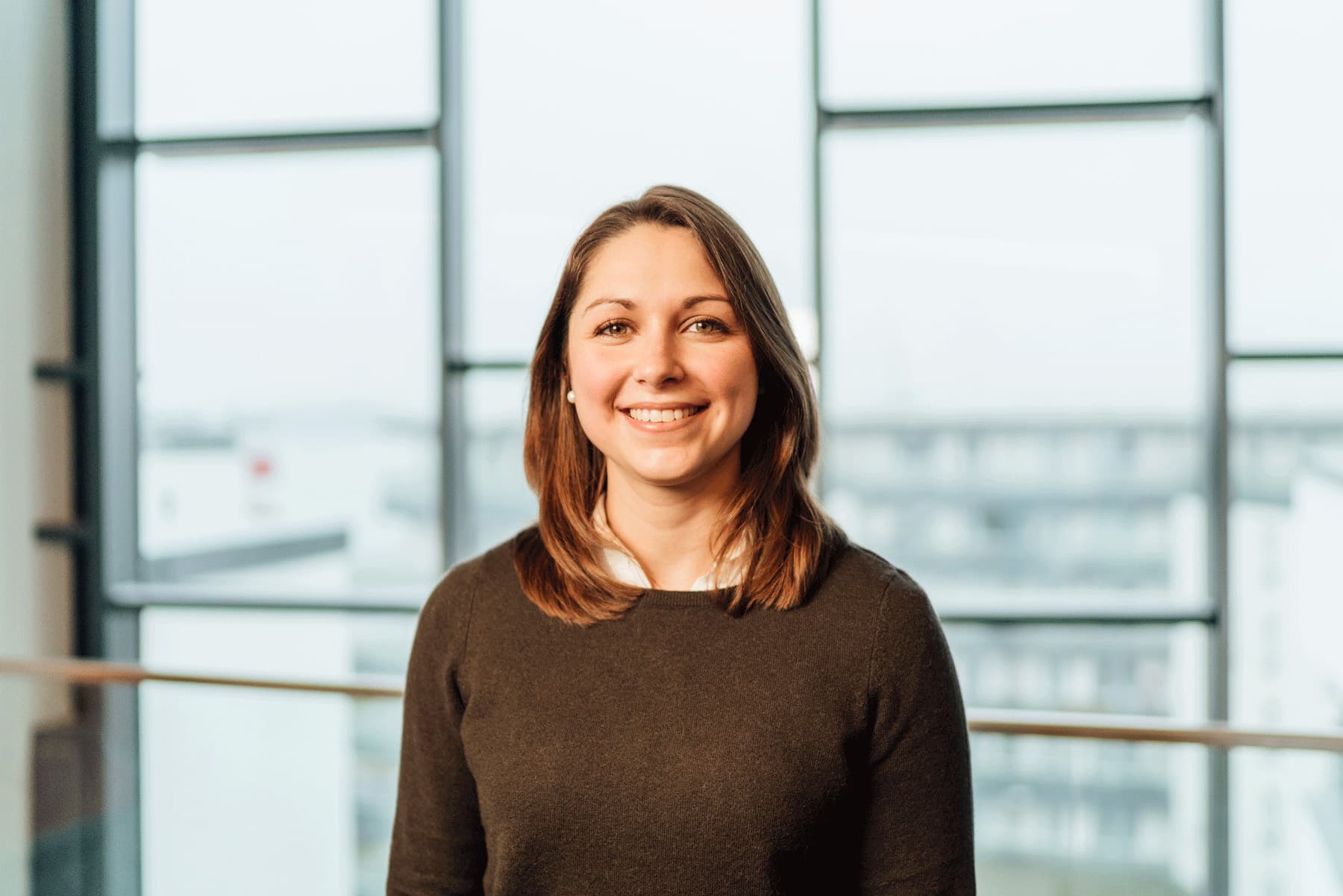
16.02.2022, Usedom Tourismus GmbH
The "Modernization Sprint: Quality and Sustainability—Tourism Culture—Digitalization" initiative by the Mecklenburg-Vorpommern Tourism Association represents a new direction for tourism in MV. Merle-Marie Müller is working on the ground to implement the initiative.
Working Together to Promote Quality and Sustainability
You’ve been working as the Regional Manager for Quality and Sustainability on the island of Usedom since November 2021. Have you had a chance to get to know the island yet?
I’m just getting to that. I have to admit that I didn’t know Usedom very well until now. I didn’t really settle in here until December, after spending the first few weeks in Rostock getting up to speed on the issues. Now I’m meeting with resort directors, hoteliers, and leisure activity providers, and I’m gradually getting to know the island. Once the weather improves, I’d like to try out some of the activities myself. On the weekends, I’ve already gone on some lovely hikes—for example, I took a long loop along the beach from Kölpinsee toward Ückeritz, through the forest to the Achterwasser. Hiking is very close to my heart. I see great potential for Usedom in this trend. On my hikes, I draw inspiration for the beautiful routes we could use to boost hiking tourism.
You grew up in Lübeck. Now you’ve traded the Schleswig-Holstein Baltic Sea coast for the Pomeranian Bay. Do you already feel a little at home on the island of Usedom?
I always feel at home by the water, no matter where it is. As a native of Lübeck, the Baltic Sea is naturally very familiar to me. I get the impression that the Baltic Sea coast in Mecklenburg-Western Pomerania is more unspoiled. In Schleswig-Holstein, parts of the coast are built up with boardwalks. I spent the last year at Hohwacht Bay, working as an assistant manager for the local marketing association. Even though it’s a smaller tourism region, there are many parallels. The tourism structures and organizational models are similar. Tourism professionals there are also grappling with issues such as the visitor’s tax and the digitization of the visitor’s card.
The TMV’s project, “Modernization Sprint: Quality and Sustainability – Tourism Culture – Digitalization,” aims to launch a modernization process in the state by 2025. What specific goals has the TMV set for itself with this campaign?
All four aspects of the modernization sprint are trending topics that will significantly influence competition in the future. It’s important to stay up to date, because tourism plays a central role in Mecklenburg-Western Pomerania. Guests’ expectations and needs continue to grow. We cannot rest on our past achievements; instead, we must constantly work to improve quality and guest satisfaction. If individual providers are not up to date, it affects the entire region. Unfortunately, negative experiences tend to stick in guests’ minds. The state tourism strategy emphasizes quality, innovation, digitalization, and sustainability. Through the Modernization Sprint, we’re raising awareness of these issues and kickstarting their concrete implementation.
What is your role as a regional manager? What are you responsible for?
The TMV has appointed regional managers in all regions of the state to serve as local points of contact and provide support during implementation. I focus on the areas of quality and sustainability and work closely with the Usedom Island Tourism Association and Usedom Tourismus GmbH. My role is to advise and motivate local tourism stakeholders to address these areas of focus. The specific projects we’ll implement in the coming years will emerge from these discussions. First, I’d like to get a sense of where action is needed on the island of Usedom.
What appeals to you about this role?
These are highly relevant topics. With this initiative, we can make a real difference in the coming years. I also find it exciting that we can only achieve something by working together. It will be crucial for all stakeholders to pull together. That’s a wonderful challenge for me. The range of responsibilities for the regional manager also aligns perfectly with my academic background. I earned my bachelor’s degree in International Tourism Management in Aberdeen, Scotland. During my master’s program in tourism in the Netherlands, the focus was on sustainability.
Networking will be a central part of your work. Have you already had the opportunity to get to know some of the island’s tourism providers and stakeholders?
I’ve already met with the resort directors, several hotel managers, and leisure providers, and I’ve introduced myself to various committees, such as the wellness advisory board. Some have also reached out to me. The initial discussions are focused on getting to know the businesses, analyzing the current situation, and exchanging ideas. In the next step, we’ll determine which specific measures will be implemented.
Can you already reveal which projects you’d like to tackle for the island of Usedom?
We’re still in the coordination phase at the moment. One initial idea for improving quality is to offer training programs, for example, for vacation rental owners. We can provide advice on website design, guest communication, or choosing booking portals. I’d also like to set up a platform for island-wide discussion on quality-related topics. It’s intended to offer opportunities to network, pursue continuing education, or share best-practice examples. In the area of sustainability, we are currently conducting a series of training sessions in cooperation with the State Tourism Association. I will also be expanding the sustainability portal and the network for the ReCup and ReBowl reusable deposit systems in collaboration with Usedom Tourismus GmbH. For supraregional cooperation in Vorpommern, we plan to establish the “Sustainability Working Group.” Through this platform, I will network with colleagues from Rügen and Fischland-Darß-Zingst. The goal is to learn from one another. Not everyone has to keep reinventing the wheel.
The “Be a Guest on Your Own Island” project aims to increase local residents’ acceptance of tourism. What’s the story behind this title?
“Be a Guest on Your Own Island” is an invitation to the residents of the island and the town of Wolgast to get to know the island through the eyes of a tourist. During the last two weeks of March, islanders can take advantage of lodging, wellness, or culinary offers at a discounted price. We want to encourage locals to discover various offers and try them out for themselves. The campaign is also intended as a thank-you to the islanders who support tourism. We’ll publicize the offers on our website, through posters, flyers, and newspaper articles. I’m delighted that I can kick things off with a concrete initiative for the locals even before the season begins.
Thank you very much for the interview!
Share this discovery
By clicking the icons, you leave this website.