Mushroom Hunting on Usedom
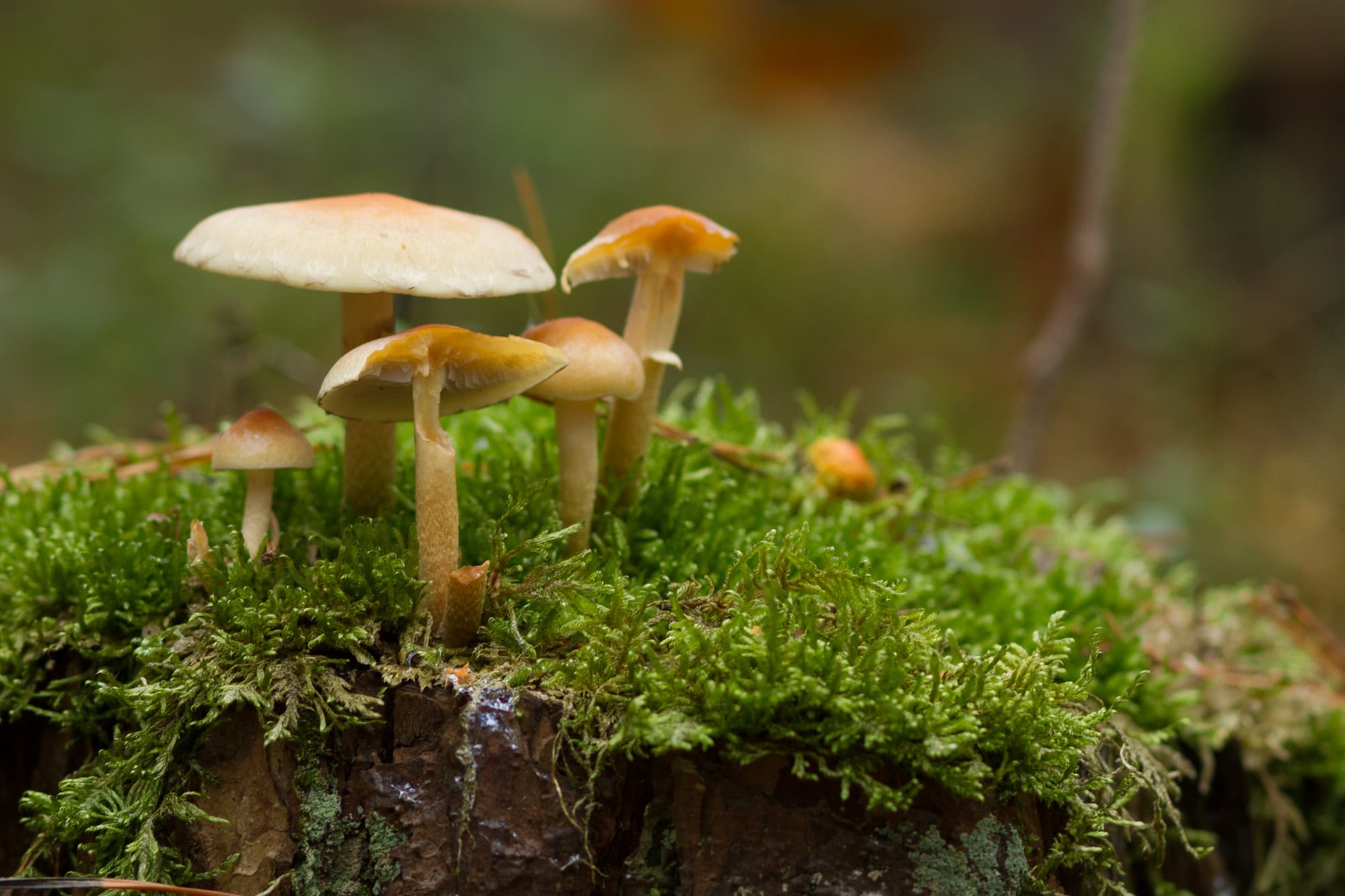
Fall is mushroom season. Many enthusiasts are regularly drawn to northern Germany—and specifically to Usedom—to go mushroom hunting. This Baltic Sea island has several forested areas that are ideal for mushroom hunting.
What should you keep in mind?
So it’s no surprise that, just in time for mushroom season, mushroom hunters with baskets can be seen everywhere in the woods. Many of the mushroom species growing there are edible, but others are best left alone. Those who lack the necessary expertise can join a guided mushroom hike or participate in other mushroom-themed events on Usedom.
Edible Mushrooms of the Season in Northern Germany and on Usedom
In northern Germany, the mushroom season begins in late summer. That’s when mushrooms start sprouting from the ground all over the forest. Depending on the species, they prefer either wooded or sandy soil. They often grow at the base of large trees or under ferns. Examples in northern Germany include:
- Porcini mushrooms
- bay bolete
- Red-cracked boletes
- brittlegills
- Slippery Jack
- Birch bolete
- Chanterelles
- cauliflower mushroom
- Meadow mushrooms
- sheathed woodtuft
Usedom’s forests offer ideal growing conditions for these mushrooms. They thrive particularly well in high humidity combined with mild weather. A popular mushroom-hunting area on Usedom, for example, is the Lieper Winkel. Between Rankwitz and Liepe, many of these tasty edible mushrooms grow amid the mixed deciduous and pine forests. Porcini mushrooms are particularly popular on Usedom. You can also find bay boletes, parasol mushrooms, brittlegills, and sheathed woodtuft.
Which poisonous mushrooms should not be picked?
Most mushroom hunters are probably aware that fly agarics are poisonous. There are also other species that look unremarkable but are nonetheless poisonous:
- Brown roll-rim: A highly poisonous mushroom that was long considered edible.
- Earthball: Also known as the false truffle, consuming it can lead to symptoms of poisoning ranging from vomiting to collapse.
- Bitter bolete: This mushroom species is often mistaken for porcini mushrooms.
- Red-belted conk: Also known as the red-edged tree fungus, it is inedible.
- False Chanterelle: An inedible mushroom that differs from the true chanterelle primarily in color. The false chanterelle is orange, while the true chanterelle is yellow.
- Panther cap: Consumption can be fatal. There is a risk of confusion with the pearl mushroom.
- Death Cap mushroom: It is highly poisonous and is easily confused with a button mushroom.
- Honey fungus: The honey mushroom is poisonous when raw. When boiled, it is only conditionally edible. It is therefore suitable only for connoisseurs who know what precautions to take during preparation.
- Funeral bell: A poisonous mushroom that looks strikingly similar to the false chanterelle.
Events Related to Mushroom Hunting
For mushroom hunters, the question arises: Which types of mushrooms are edible? Accurate mushroom identification is often impossible for amateurs. That’s why it’s helpful to consult experts. They offer guided mushroom tours through the forests of Usedom. During these walks, participants receive valuable information about which mushroom species are edible and which are poisonous. Winfried Dinse, for example, is one of Usedom’s mushroom experts. In addition, mushroom and herb walks are offered regularly, and mushroom hunters can get all the necessary information at lectures. The dates for the walks and guided tours can be found in the event calendar under “Guided Tours and Excursions.”
What should you keep in mind when picking mushrooms?
Experienced mushroom hunters wait for rain and sunshine. That’s when mushrooms sprout from the ground in abundance. You don’t need much to go mushroom hunting: a basket, a kitchen knife, and a field guide or a corresponding app on your smartphone. This helps reduce the risk of picking poisonous mushrooms. Once you’ve spotted a mushroom, there are two ways to pick it:
- Cutting: Cut the mushroom straight across a few centimeters above the ground.
- Twisting: Carefully twist the mushroom out of the ground and then cover the hole with soil.
The mushroom should then be placed in the collection container. To protect the mushroom flesh from damage, it should be placed loosely without being pressed down. Poisonous mushrooms, as well as young and very old mushrooms, do not belong in the container.
Note:
Wild mushrooms are protected, and according to the State Forest Act, they may only be collected in small quantities. The amount is limited to personal use. There is no precisely defined upper limit. Anyone who collects too many risks fines of several thousand euros.
Picking Mushrooms and Preparing Them Properly
After picking mushrooms, it’s time to prepare them properly. Whether they’re boiled, baked au gratin, or sautéed, they should only be eaten cooked—never raw. Eating them raw can lead to mild to severe health problems.
The following tips will help with preparation:
- Check to make sure the mushrooms you’ve picked are edible
- Prepare only fresh mushrooms
- Clean them thoroughly
- Remove any spoiled or glassy parts
- Do not soak mushrooms in water: they will absorb water and lose their flavor
Mushroom leftovers should be stored in the refrigerator and consumed the next day at the latest after being thoroughly heated.
Mushroom hunting is a fun outdoor activity for everyone
Mushroom hunting on Usedom is a great way to spend time in nature and discover Usedom’s mushrooms along the way. Guided mushroom hikes and other mushroom-themed events are especially popular in the fall. A guided mushroom hike is the perfect way to combine an excursion with a trip into nature. People of all ages can participate in the events and learn some fascinating facts about the island’s poisonous and edible mushrooms. Afterward, of course, the focus is on enjoying the mushrooms you’ve collected. The mushroom experts are also well-versed in preparation and are happy to offer advice.
Share this discovery
By clicking the icons, you leave this website.