A small portion in the eastern part of the “Sun Island” of Usedom now belongs to Poland. However, this has only been the case since the Potsdam Conference in 1945. After World War II, the German-Polish borders were established, and it was decided that Swinemünde would come under Polish administration. The official handover took place on October 6, 1945. In 1950, the GDR recognized the new border, followed by the Federal Republic of Germany in 1990.
History and Tradition on Usedom
The Island of Usedom Tells Stories
Slavs, Vikings, and Germanic tribes fought over Usedom. Prussian and Swedish conquerors vied for power here. And they all left their mark. Even today, castles, churches, and entire regions on Usedom tell their stories.
A Long Tradition: Usedom's Piers
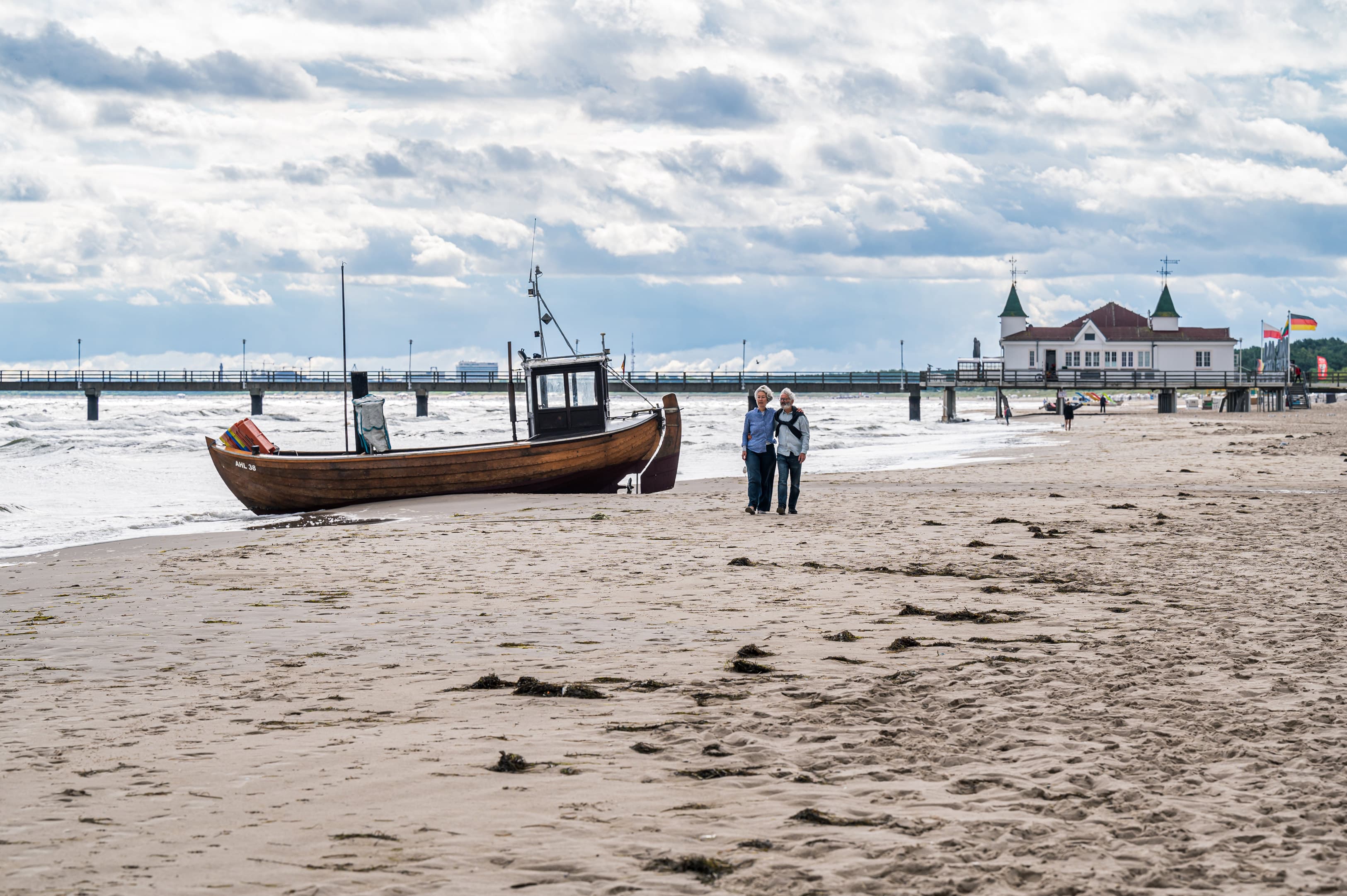
One historic structure symbolizes the island of Usedom like no other: the pier. On Usedom, the piers—used for strolling—have long enjoyed cult status. In Heringsdorf, Europe’s longest pier stretches 508 meters out into the open sea. In Ahlbeck, Germany’s oldest pier, built in 1898, has allowed visitors to stroll along the Baltic Sea ever since. The birth of the “Old Lady,” however, is a relatively recent chapter in Usedom’s history.
As Old as the Hills: Usedom Through the Millennia
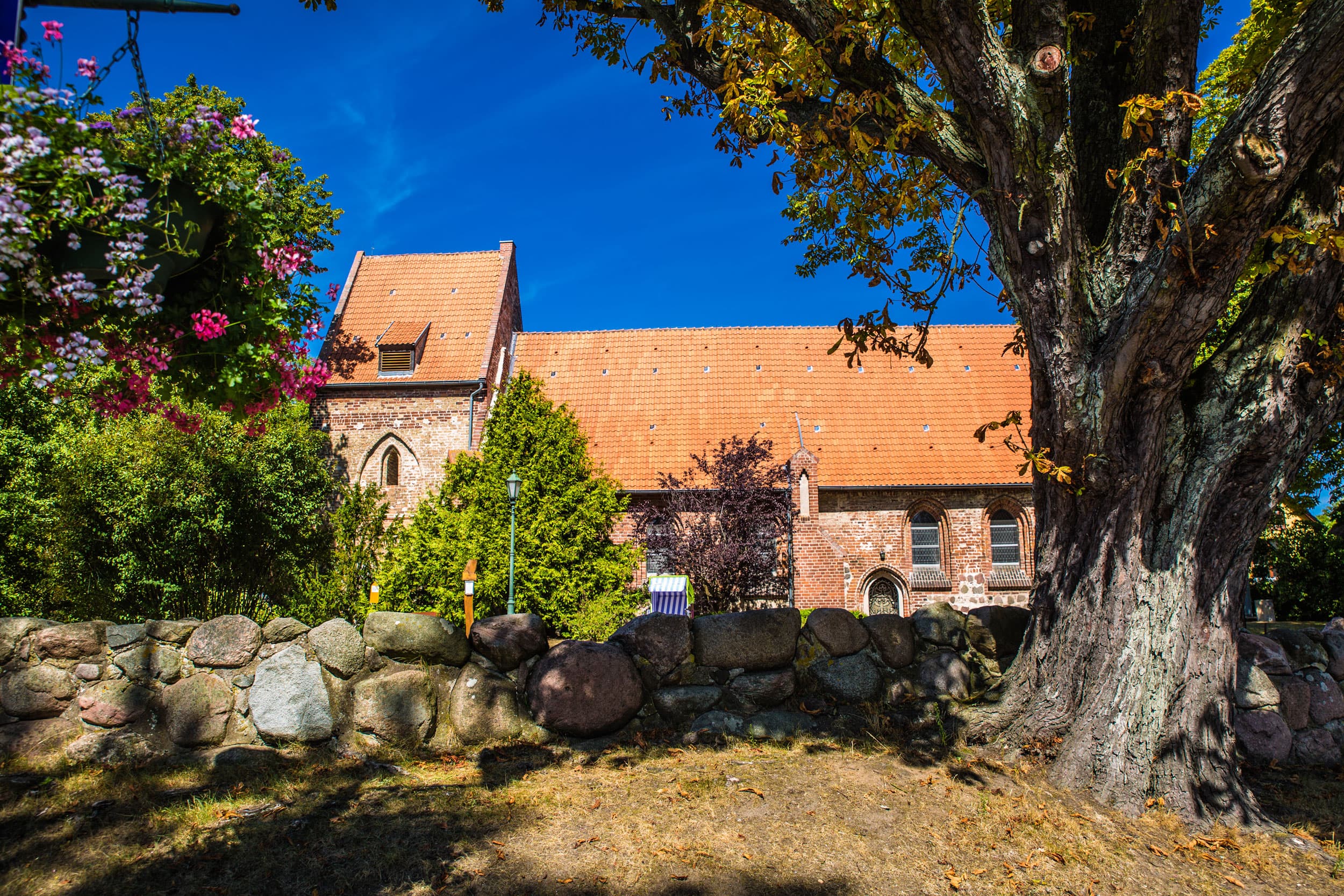
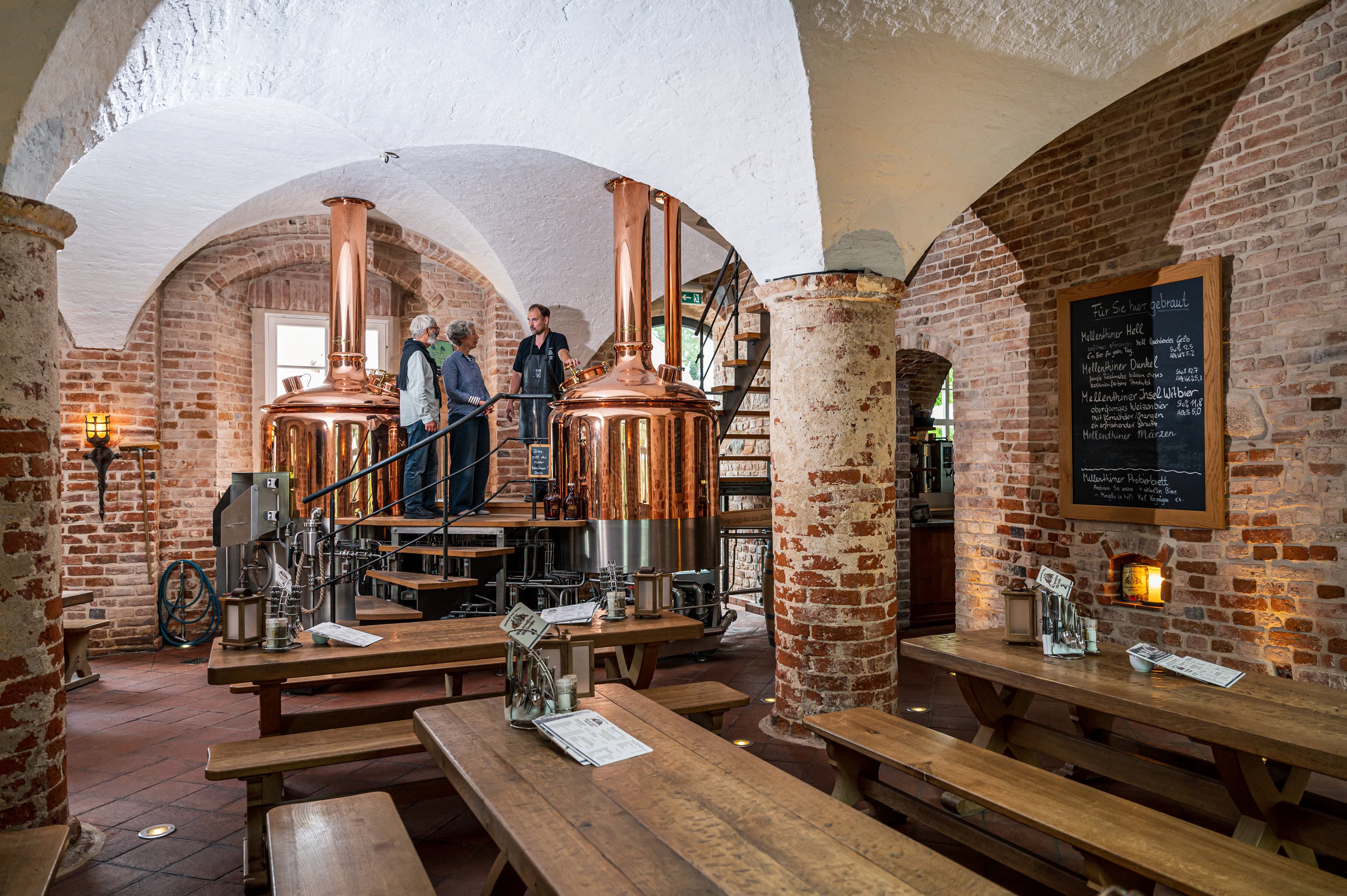
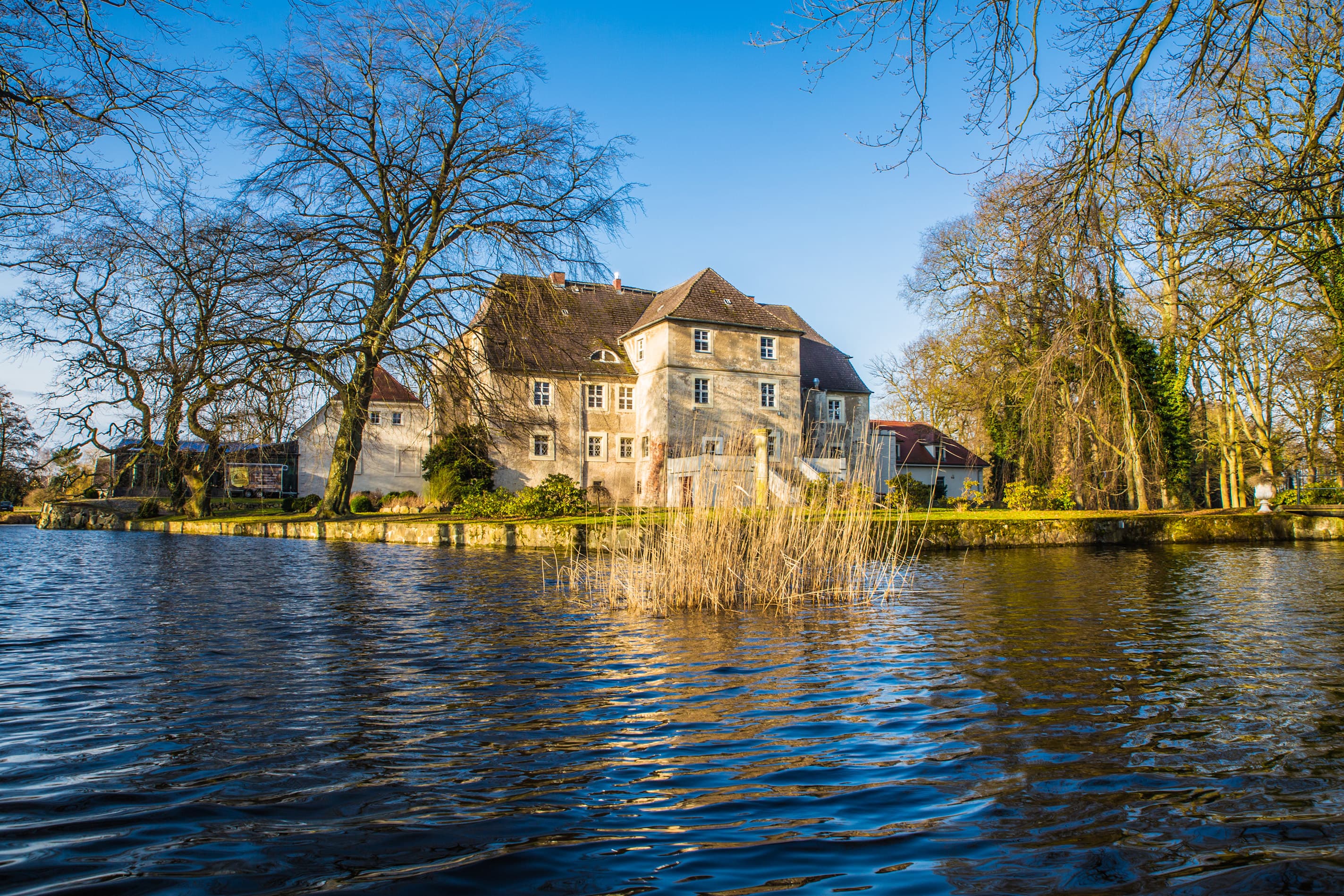
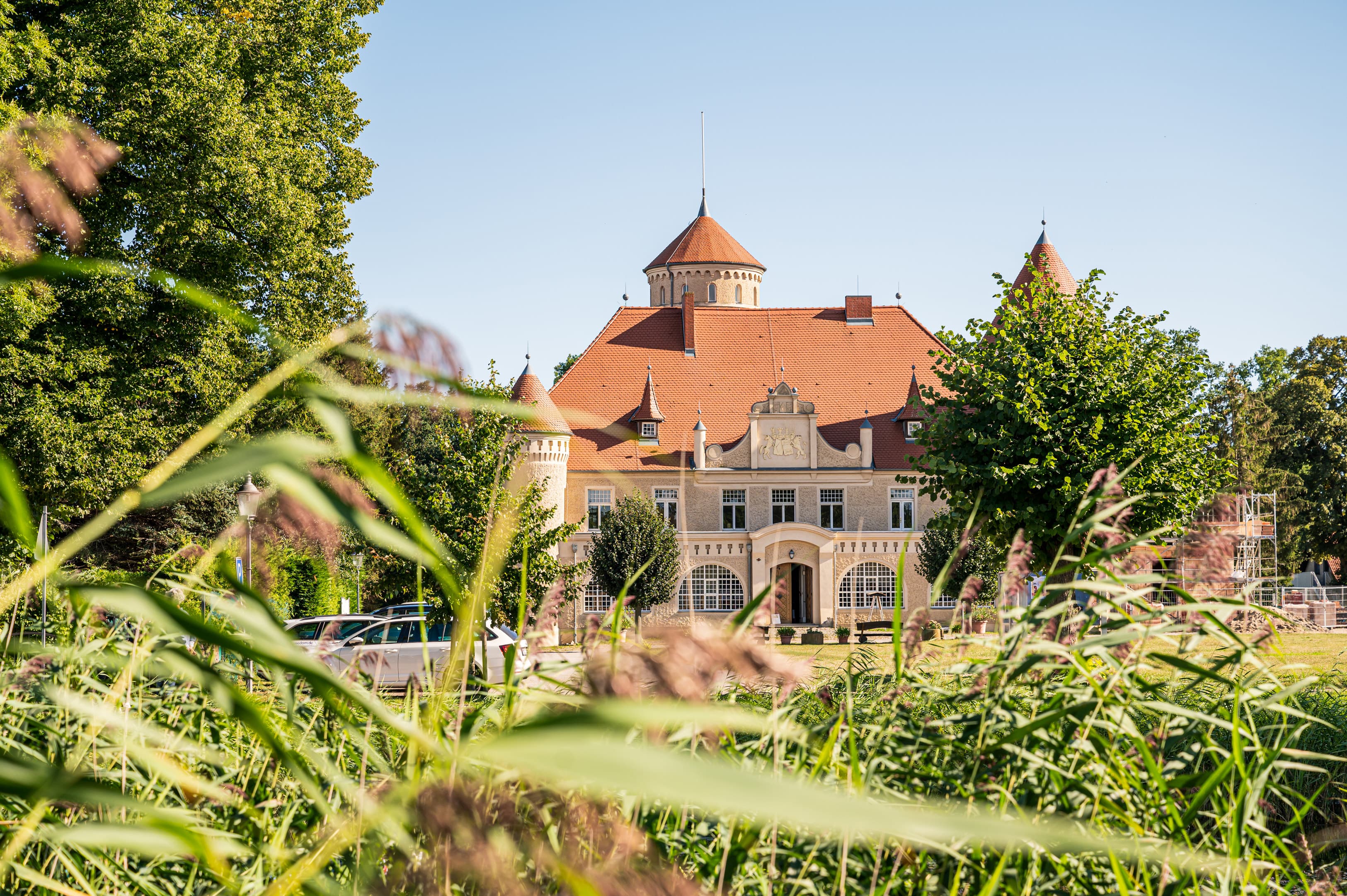
Archaeological finds suggest that Usedom has been inhabited since the Mesolithic period. Near Lütow, hidden in the forest, you can marvel at the remains of megalithic tombs dating back to the 3rd millennium B.C. The moss-covered walls of old churches in Koserow and Liepe bear witness to the Christianization that began in the 12th century. Pudagla Castle, Stolpe Castle, and the moated castle of Mellenthin have weathered the power struggles of the Middle Ages.
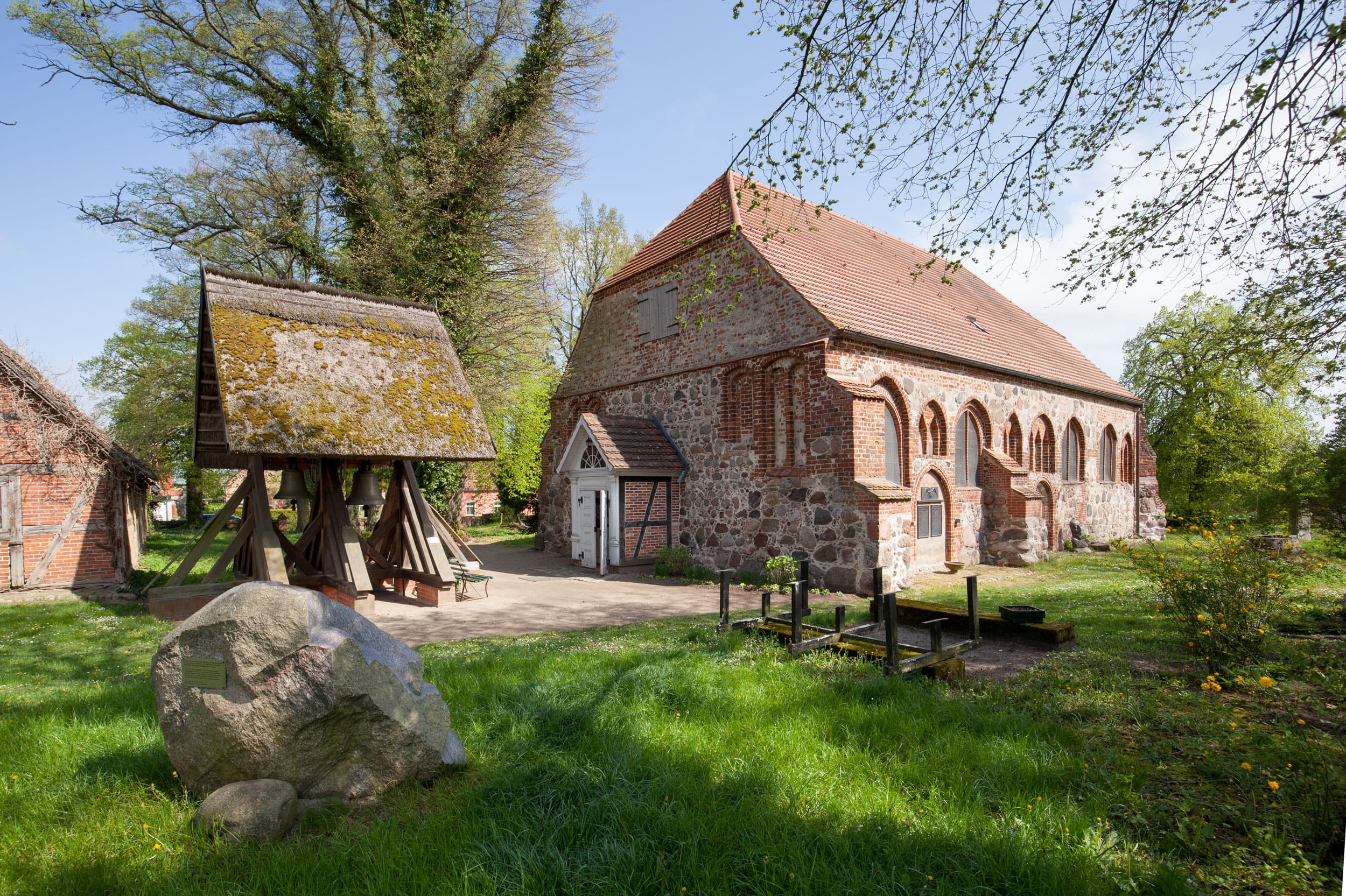
St. John's Church in Liepe
Experience a Journey Through Time at Usedom's Museums
Many historic landmarks, such as the Pudagla Bock Windmill, are open to visitors today. The Dutch windmill in Benz and lovingly maintained local history museums, such as “Uns olle Schaul” in Zempin, also offer insights into everyday life on Usedom. For centuries, life on the island was shaped by fishing, crafts, and agriculture. In museums such as the Historical-Technical Museum in Peenemünde or the GDR Museum in Dargen, you can take a journey into the island’s recent past.
Cookie tool not loaded
A Sunny Island with a Turbulent Past
After the Germanic tribes had migrated, Slavic tribes took control of Usedom in the 7th century A.D. Perhaps it was the Slavic word “znoj,” meaning “surrounded by water,” that gave Usedom its name: “Uznoimia civitas” was first recorded by the missionary Otto of Bamberg in 1125. The name evolved under the rule of the Dukes of Pomerania to “Usedom” in the 15th century, when all of Western Pomerania came under Swedish rule.
When Two People Argue: Usedom Becomes Prussian
In the late 17th and early 18th centuries, the island of Usedom was the scene of battles between Brandenburg-Prussia and Sweden. These battles ended with Prussia’s annexation of the island of Usedom. As part of the Prussian crown’s economic policy efforts, the Swine River—which had previously been difficult to navigate—was widened in the first half of the 18th century. The result was a new town at the river’s mouth: Swinemünde.
The Birth of Health Resort Tourism
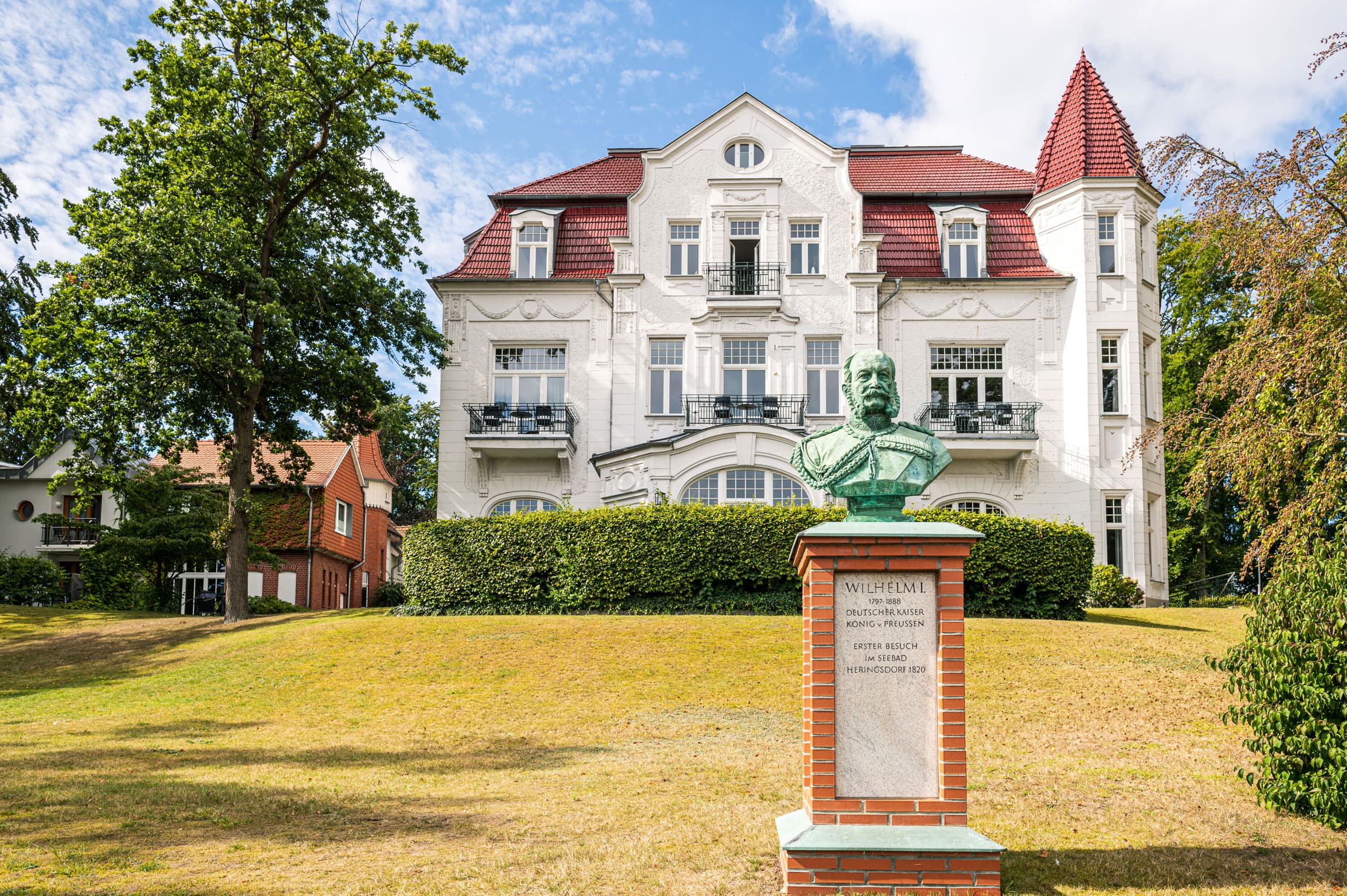
In 1824, seaside resorts began operating in Heringsdorf and Swinemünde. Koserow, Zinnowitz, and Ahlbeck soon followed. After the founding of the German Empire in 1871, the golden age of seaside curative resorts began—the glorious “Imperial Era.” Emperor Wilhelm II had a direct railway line built from Berlin to Ahlbeck and Swinemünde. Today, you can still see several station buildings along this line, as well as the steel ruins of the Karnin lift bridge.
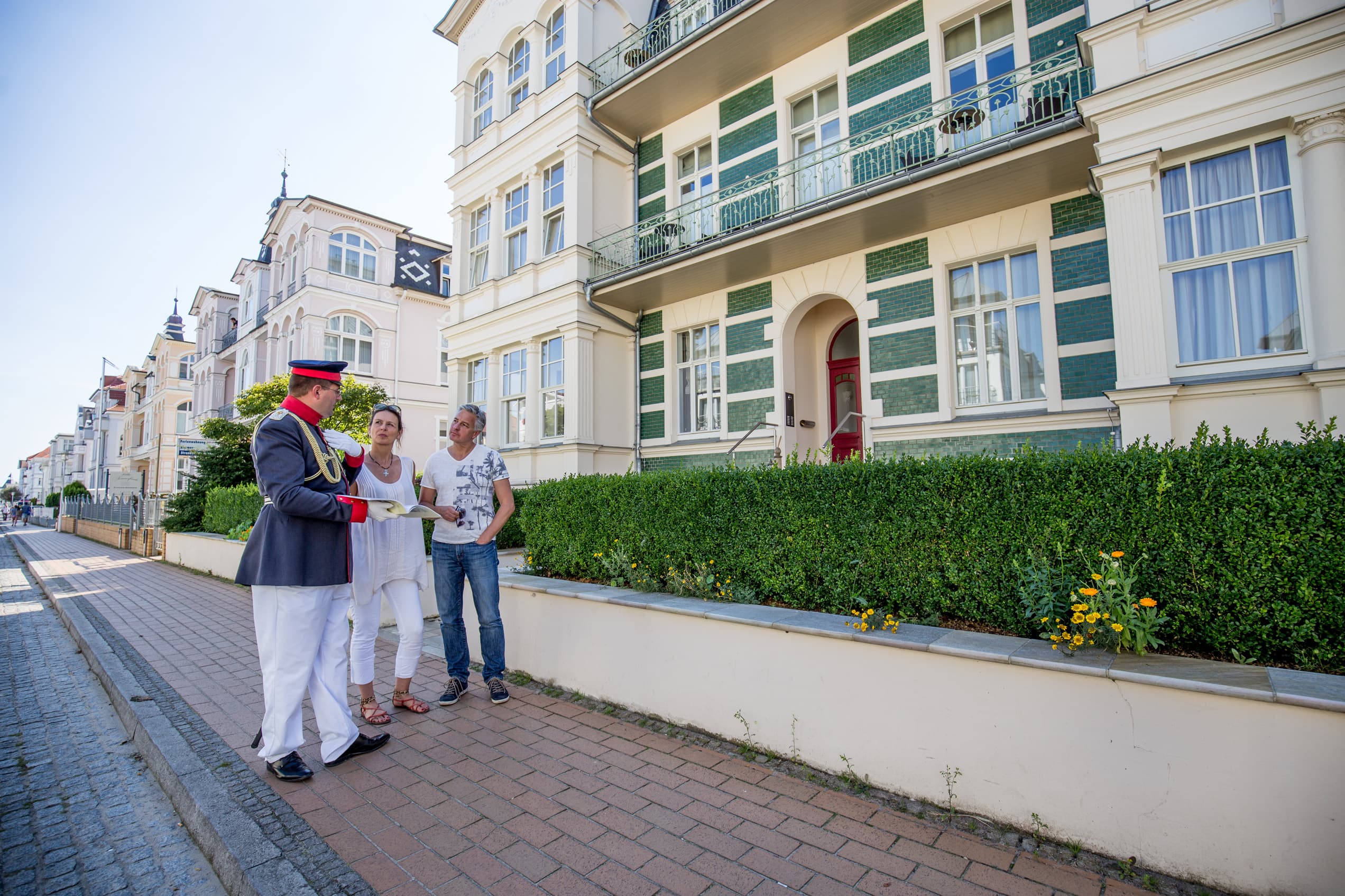
A Journey Through Time in the Baltic Sea Resort of Heringsdorf
Gloomy War Years for the Island of Usedom
World War II also left a devastating mark on Usedom: Although the Peenemünde rocket base is considered the cradle of space travel, the Nazi Army Research Center was, above all, a source of death and destruction. The destruction of Swinemünde in the final days of World War II claimed many lives. Their graves can be found today at the memorial on the Golm, a hill near Kamminke.
Socialist Mass Tourism on Usedom
In 1945, the city of Swinemünde was officially handed over to Poland. From 1945 to 1952, the German part of the island of Usedom remained under the Soviet occupation zone. During the GDR era, Usedom was a popular vacation destination for East Germans. From company vacation camps to summer retreats for miners—everyone vacationed on Usedom! As a result, tourism remained the main economic driver for the island of Usedom even after German reunification.
The island is part of a end moraine arc. The moraine formed at the front of the retreating Scandinavian ice sheet during the Weichselian Glacial Period about 15,000 years ago. The meltwater flowed south into a glacial lake, now known as the Szczecin Lagoon. As the Baltic Sea level rose at the end of the last ice age, a compensatory coastline formed in the form of long sandy beaches.
The name “Uznoimia civitas” was first attested in 1125 by Bishop Otto of Bamberg, who was on a missionary journey to Usedom. It refers to the town of Usedom in the southwestern part of the island. The Slavic word “znoj,” meaning “surrounded by water,” may have played a role in the origin of this name. The name evolved from Uznoimi to Uznoim, Uznam, Uznom, and Uzdem, eventually becoming Usedum in 1420. Incidentally, regional legends twisted the name into the exclamation “O so dumm!”
Germany’s second-largest island is known for its 42-kilometer-long sandy beach and the most hours of sunshine in all of Germany. Historic landmarks such as the seaside resort architecture and the 19th-century piers shape its public image. Amber, a fossilized tree resin, is often washed up on Usedom’s coast. Thatched roofs are also typical of the fishing villages on Usedom.
Our newsletter brings a taste of vacation right to your inbox.
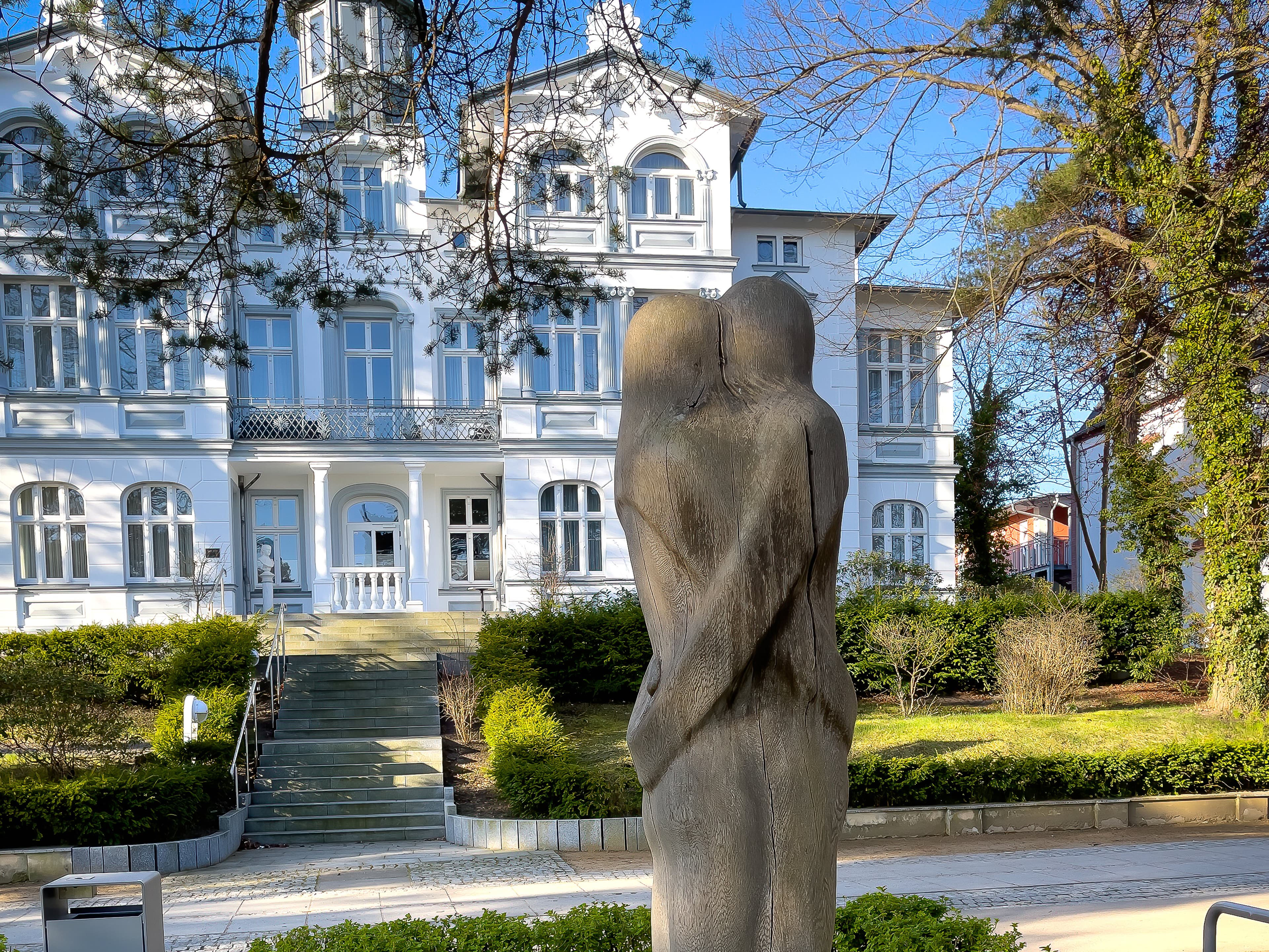
Historic Sites Everywhere
Every place on Usedom tells its own story. Listen closely and discover the island's secrets.
~ read more
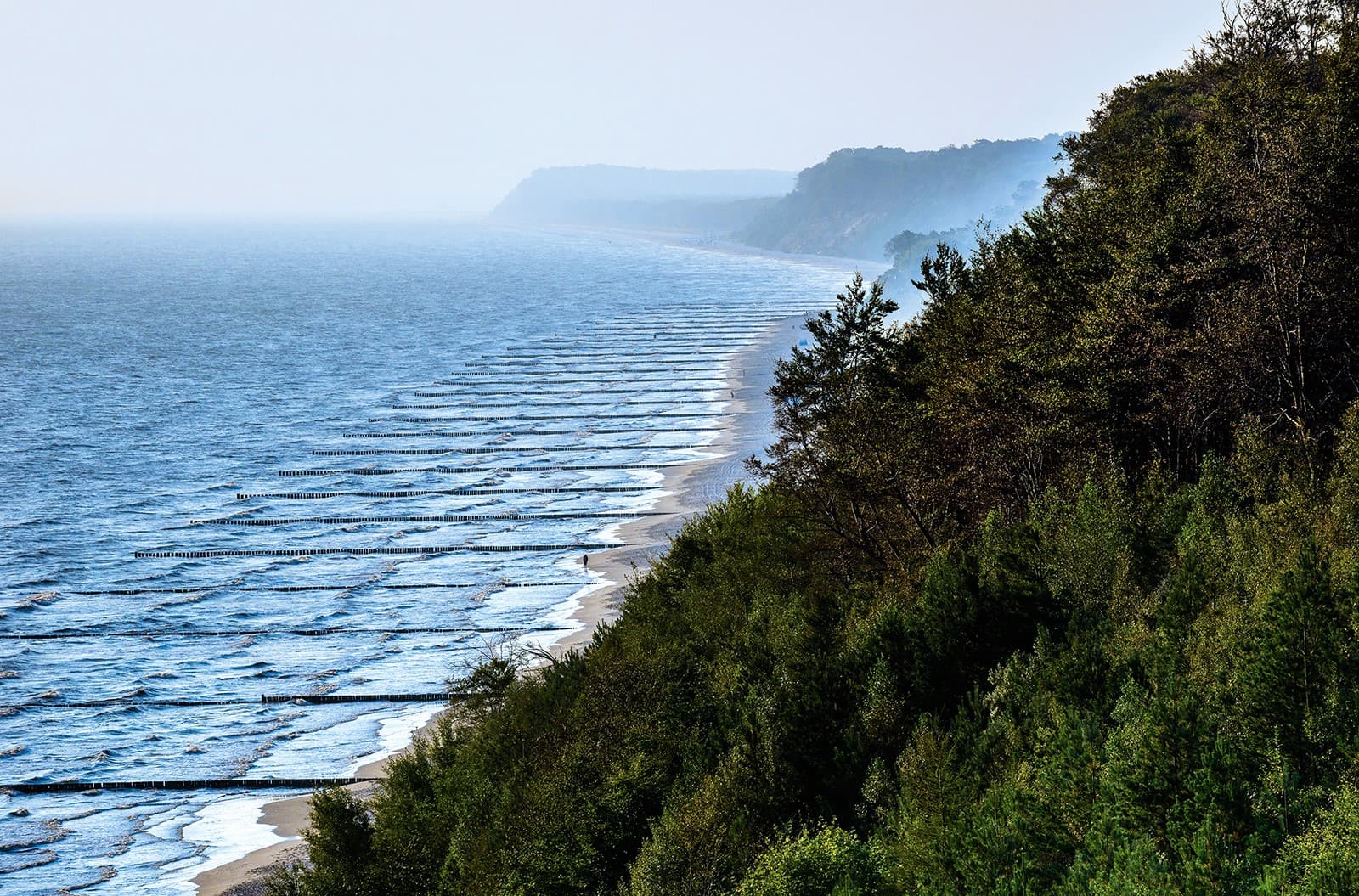
A Beach Vacation with a Seaside Twist—on Usedom!
Feel the white sand beneath your feet. Soak up the sunshine. And then take a stroll along historic promenades.
~ read more
Book Your Vacation Now
Great news for you!
You can find the latest events, news, and interesting facts here. Browse through new stories about your favorite island, Usedom.
~ read more