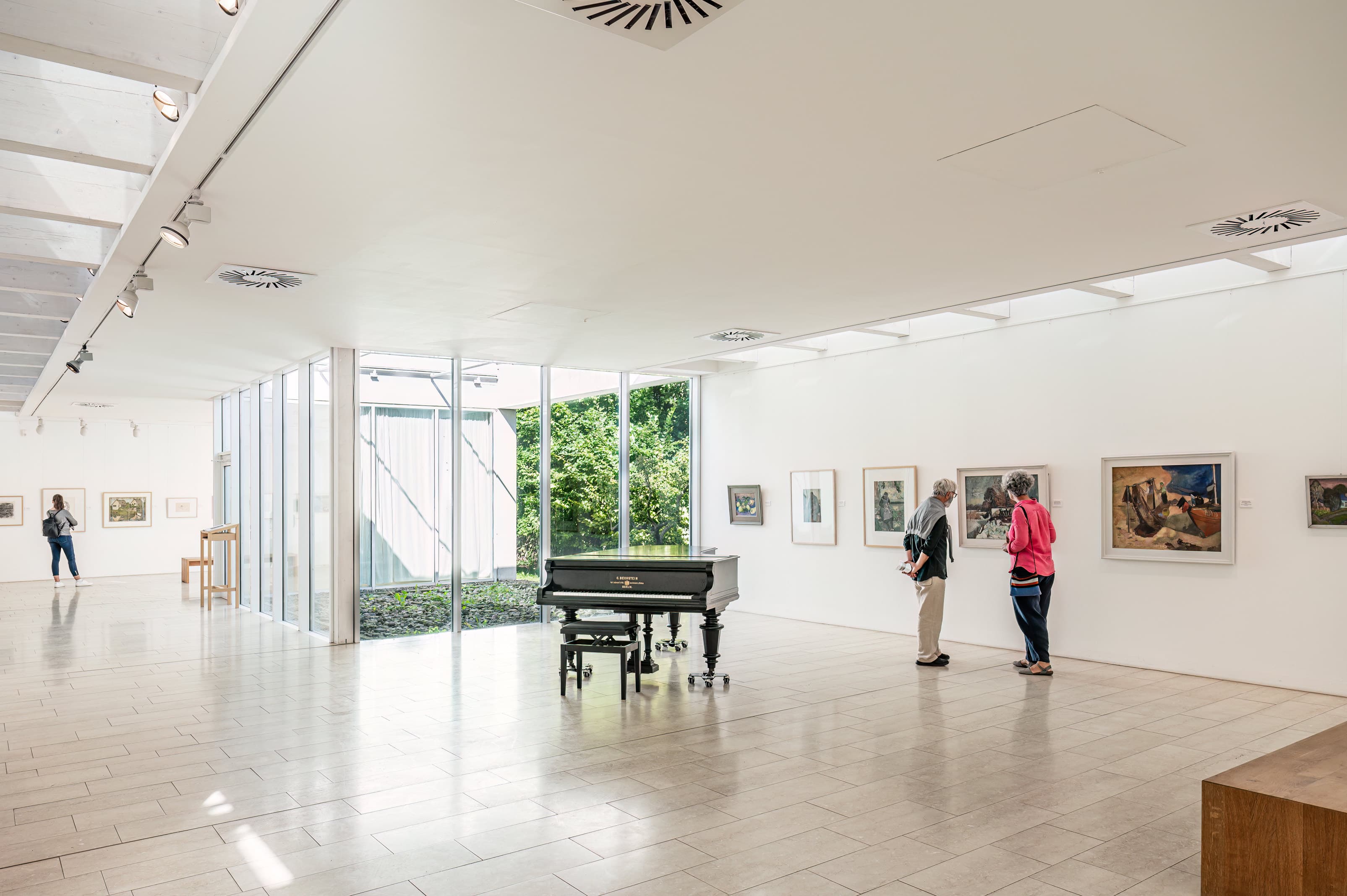
Culture on Usedom? That's quite a feat!
Let the muse kiss you! Artists and writers such as Lyonel Feininger and Thomas Mann were inspired by the many facets of the island of Usedom. Even today, this “Sun Island” remains a destination for lovers of art and culture.
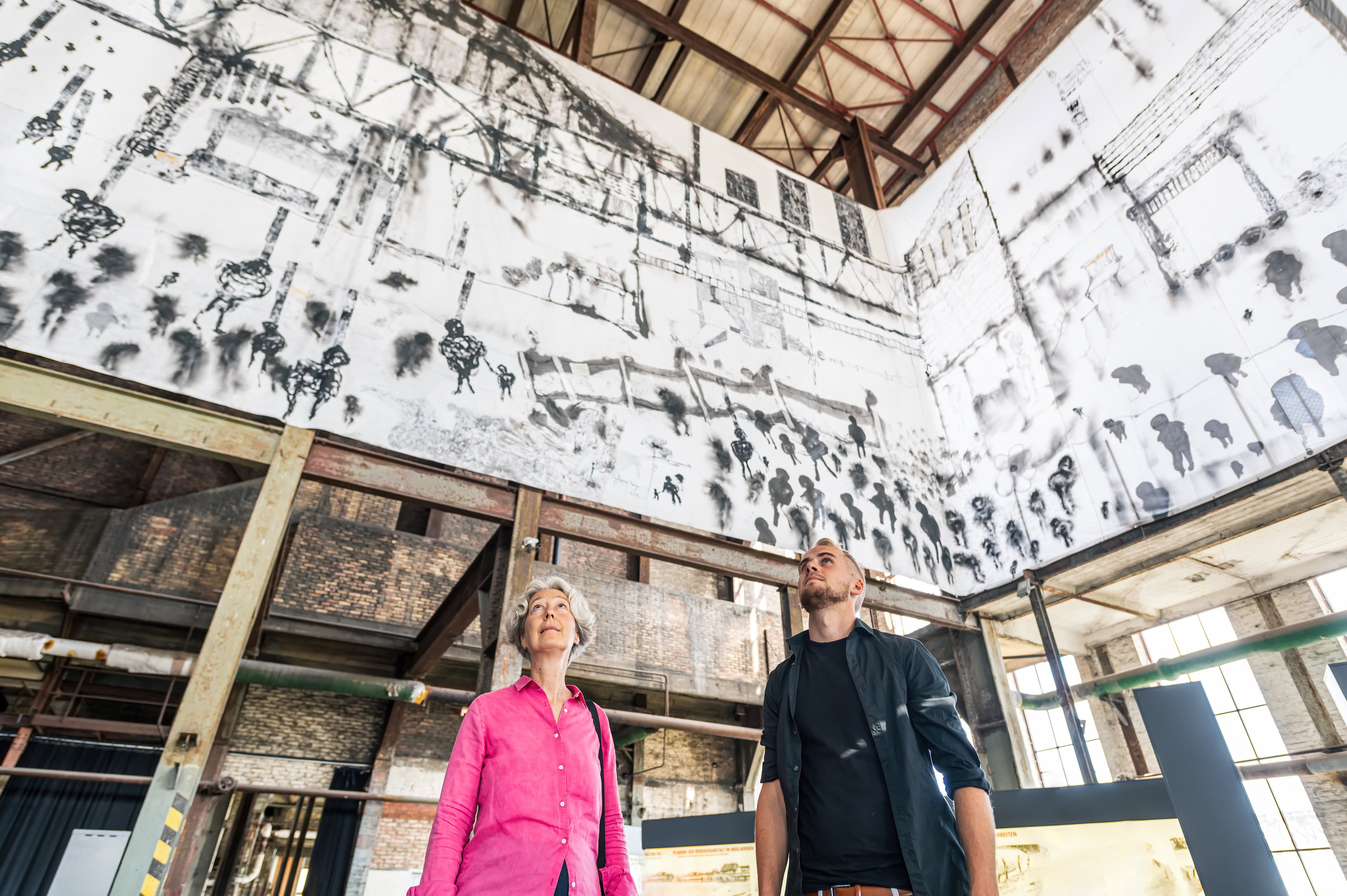
The Baltic Sea isn't just for beach vacations. Usedom's museums and galleries also satisfy your appetite for culture and your thirst for knowledge.
~ more
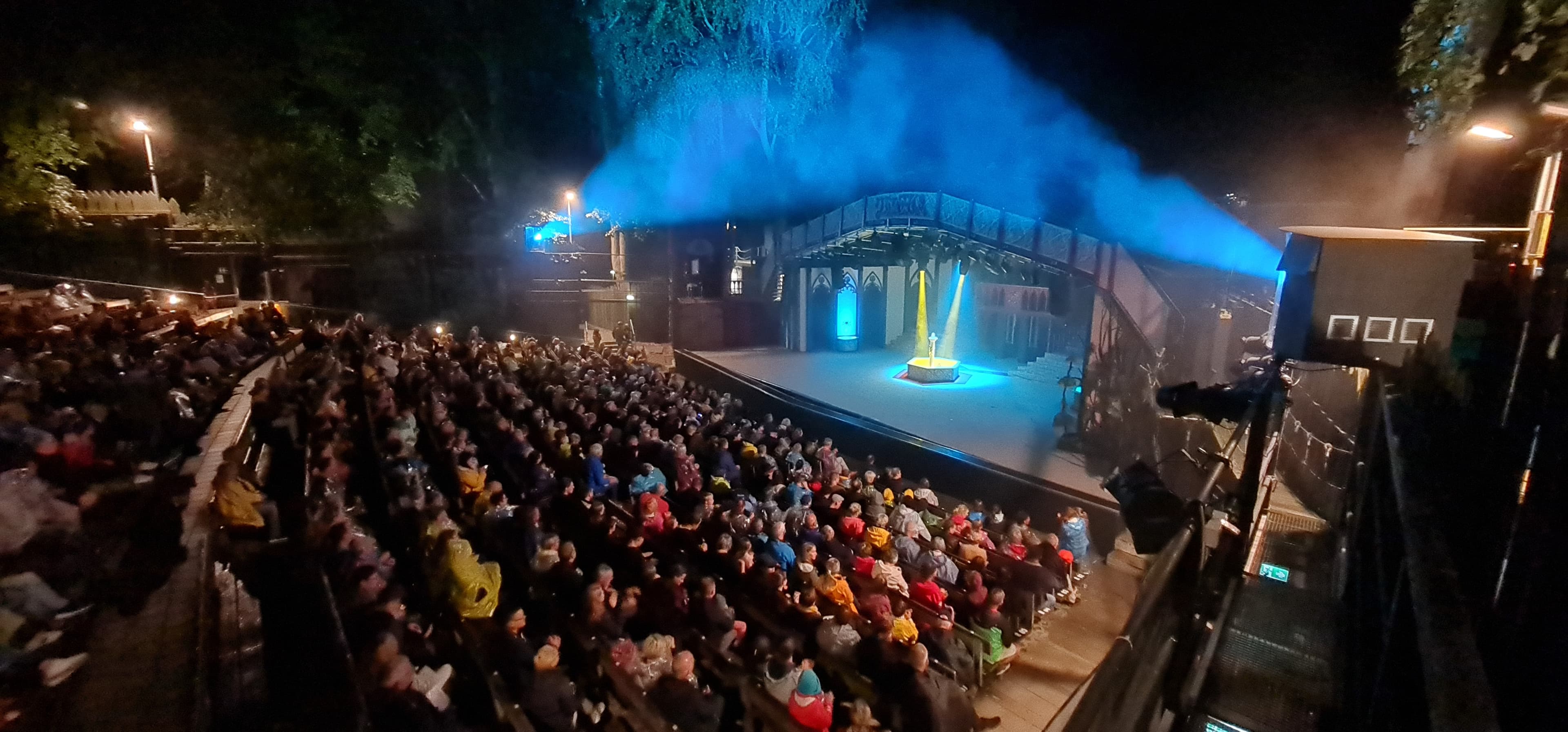
Come on in and raise the curtain on lighthearted comedies, tragic classics, and summer spectacles on the outdoor stage.
~ more
The Perfect Setting for Art and Culture
What makes Usedom’s cultural scene so special is the way it presents itself on the island. It’s neither flashy nor elitist, but rather subtle and charming. Usedom excels at combining art and culture in an inspiring way with the natural experience typical of the Baltic Sea. Artists of all generations love the island’s multifaceted character: sometimes cheerful, sometimes melancholic, but always authentic and natural.
The Full Program: Usedom's Cultural Life
You’re warmly invited to let yourself be swept away by Usedom’s creative atmosphere. Theaters, galleries, and museums are scattered throughout the island. Technical and historical achievements, established artists, and exciting newcomers are waiting to be discovered by you. Add to that a packed calendar of events that offers you a wonderful mix of artistic and cultural highlights every season.
Cookie tool not loaded
The Who's Who of the Island's Literary Figures
Theodor Fontane spent much of his childhood in Swinemünde. The port city in the Polish part of Usedom served as the setting for what is perhaps his best-known work, the 1894 novel "Effi Briest". Heinrich Mann began writing the novel "Die große Sache" on Usedom. Thomas Mann completed his "The Magic Mountain" here. At the historic Strandhotel Heringsdorf, the brothers settled their long-standing feud.
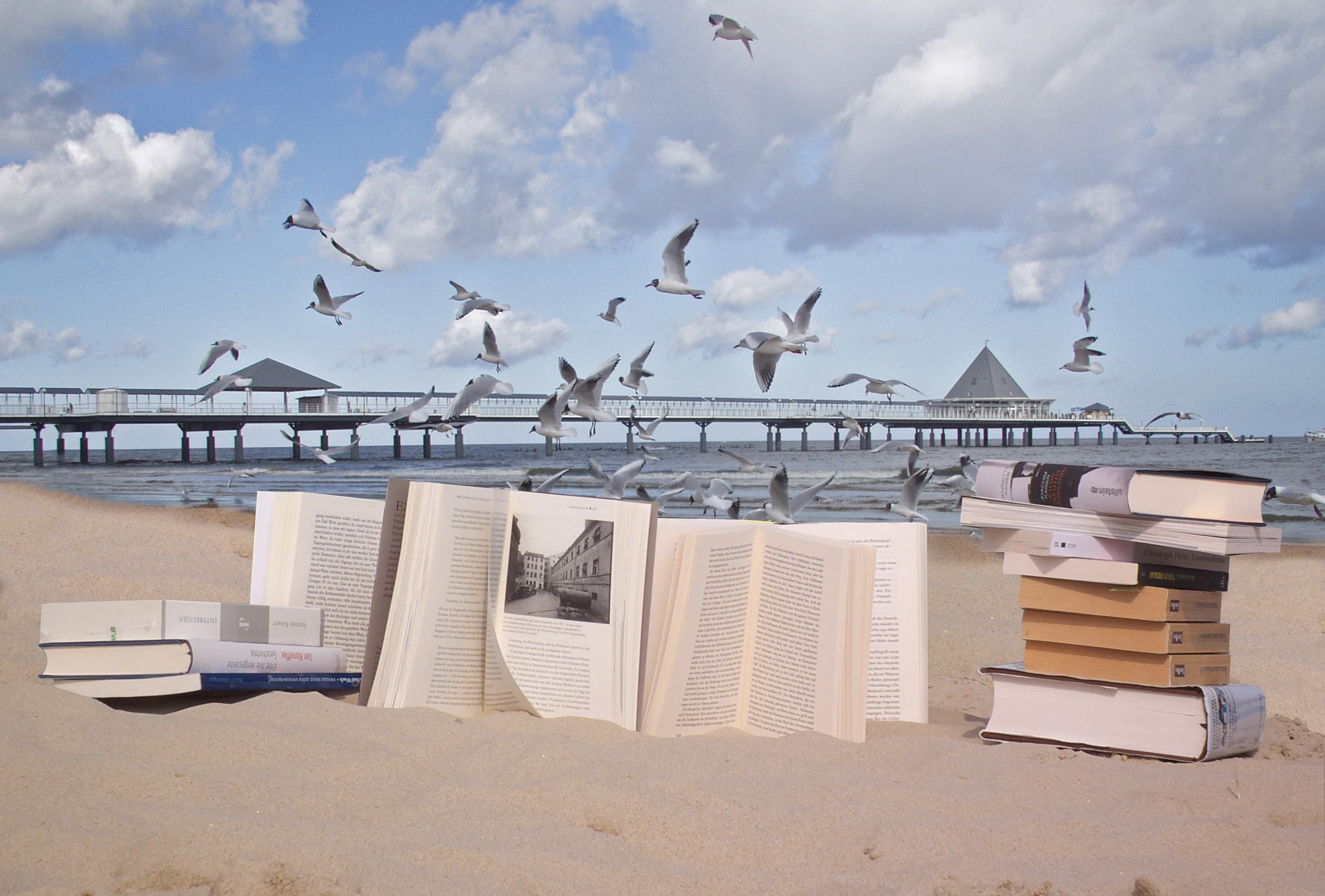
Well-read guests at the Usedom Literature Festival
Kurt Tucholsky was one of the infamous mavericks of Berlin’s upper class. He would visit Usedom whenever he grew weary of the hectic capital. It is also his writings that play a role at the Usedom Literature Festival.
The Perfect Setting for Literary Masterpieces
The writer Hans Werner Richter, one of the founders of the famous artists’ collective “Gruppe 47,” was born on Usedom. His works often deal with life at the Baltic Sea. The Hans Werner Richter House in Bansin features a small exhibition and rotating readings
Usedom's Architectural Masterpieces
Coastal Architecture: Charming and Magnificent
Architecture is also part of Usedom’s unique cultural heritage. The first thing that surely comes to mind is the unmistakable seaside resort architecture, with its grand open staircases, pilaster-lined entrance portals, column-framed loggias, balconies and balustrades, bay windows, and turrets. You can admire most of these opulent and whimsical Baltic Sea villas in the imperial resort towns of Ahlbeck, Heringsdorf, Bansin, and in Zinnowitz.
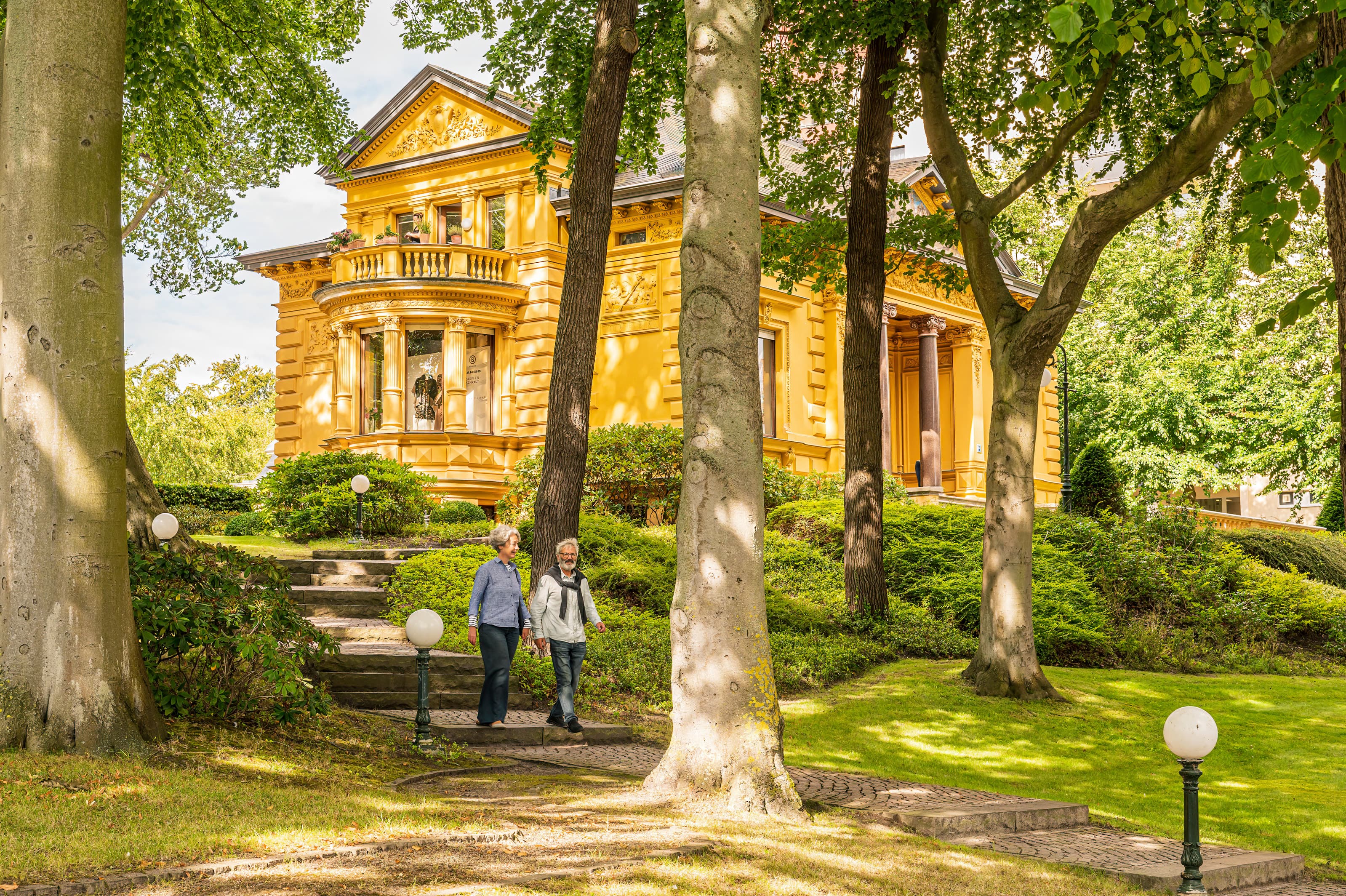
Villa Oechsler in Heringsdorf
Experience Your "Blue Wonder" on Usedom
Architectural highlights include the boardwalks that allow you to walk along the coast by the sea. Another highlight is the steel Karnin Railroad Bridge, which Berliners used to travel to Usedom starting in 1876. Today, on your way there, you’re more likely to cross the Wolgast Peene Bridge—a remarkable bascule bridge for car and rail traffic that’s often called the “Blaues Wunder” because of its color.
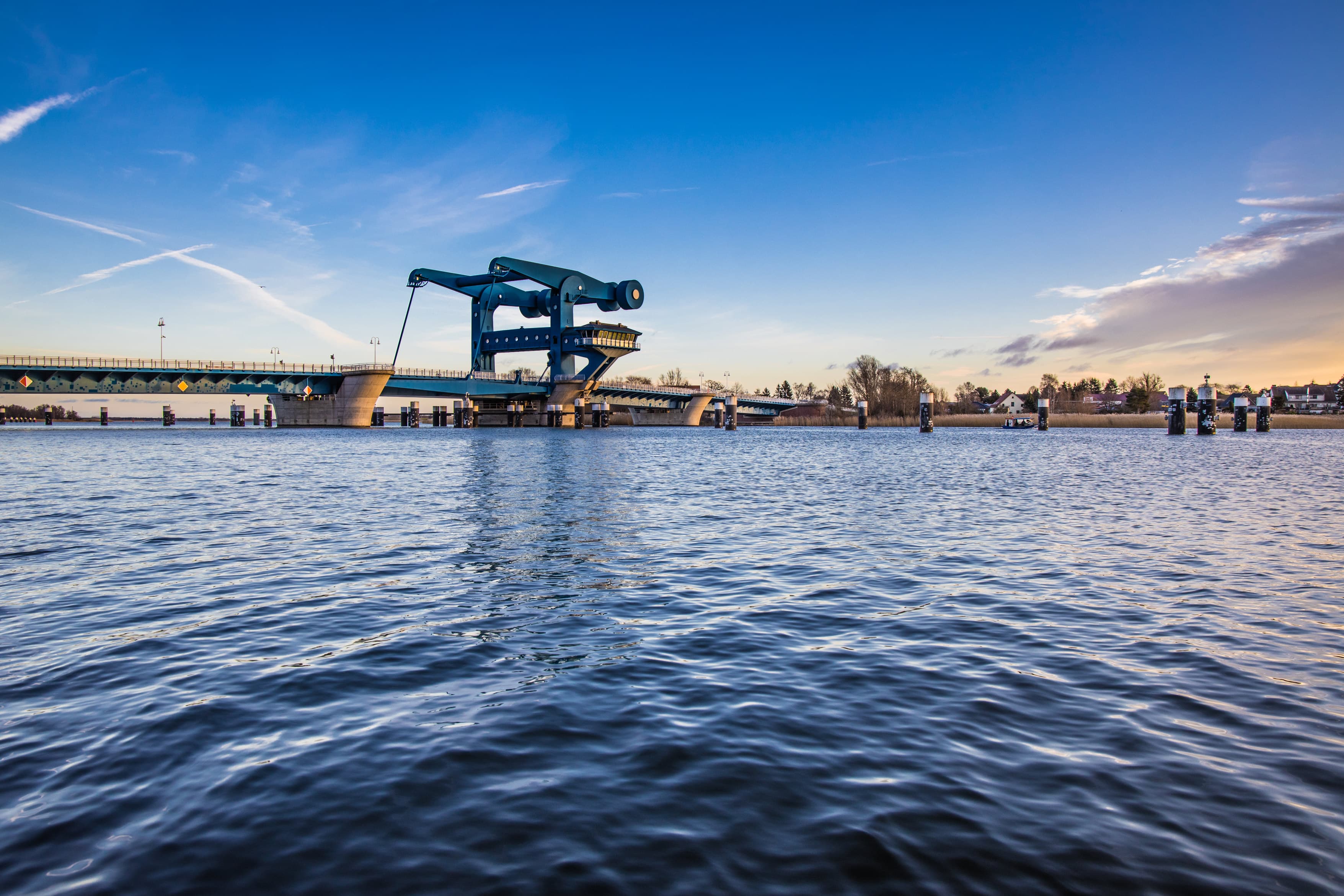
Peene Bridge in Wolgast
Our newsletter brings a taste of vacation right to your inbox.
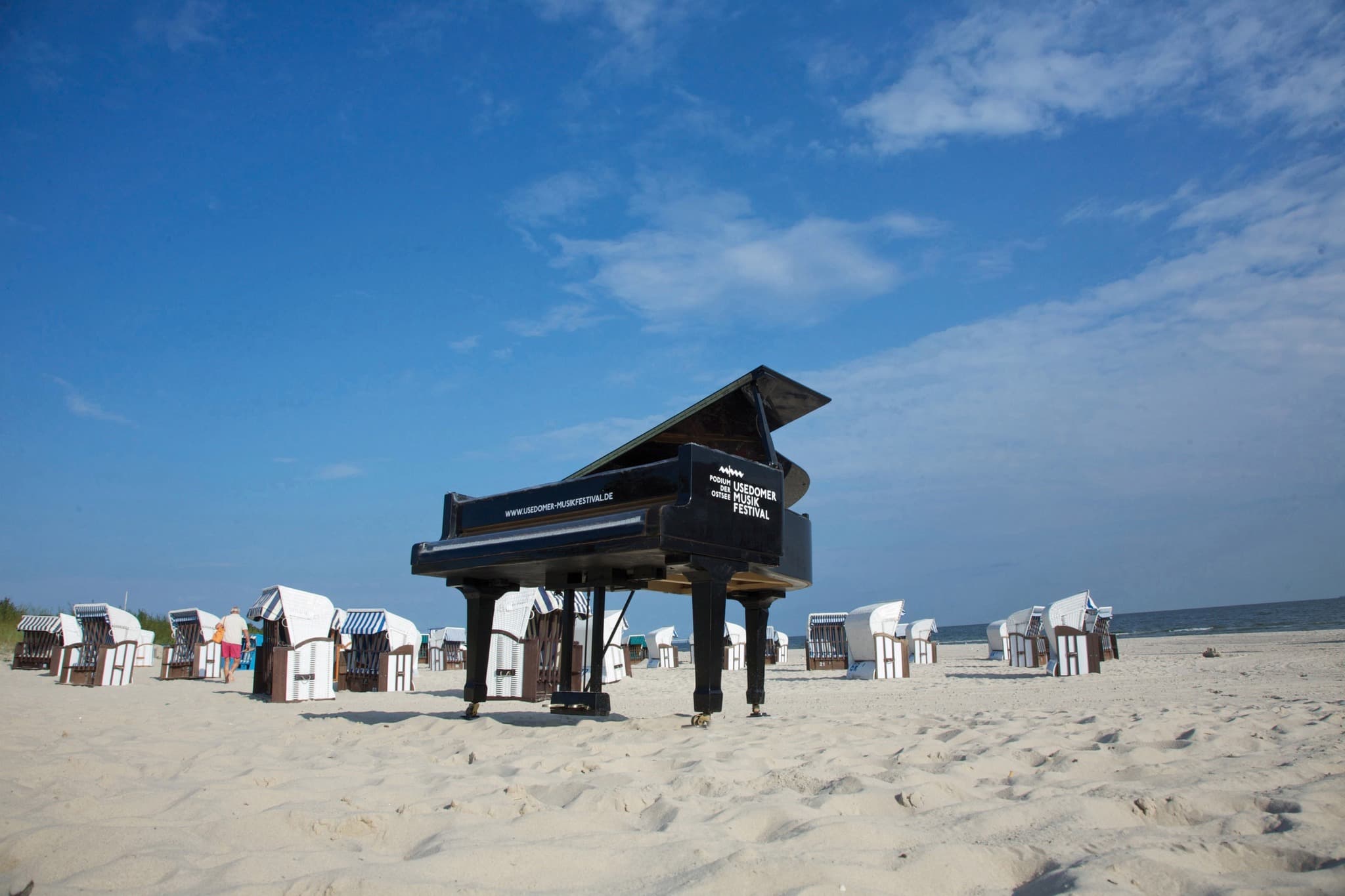
Here you'll find your cultural program
With so many events to choose from, use the event calendar to find your personal favorite in the world of art and culture.
~ read more
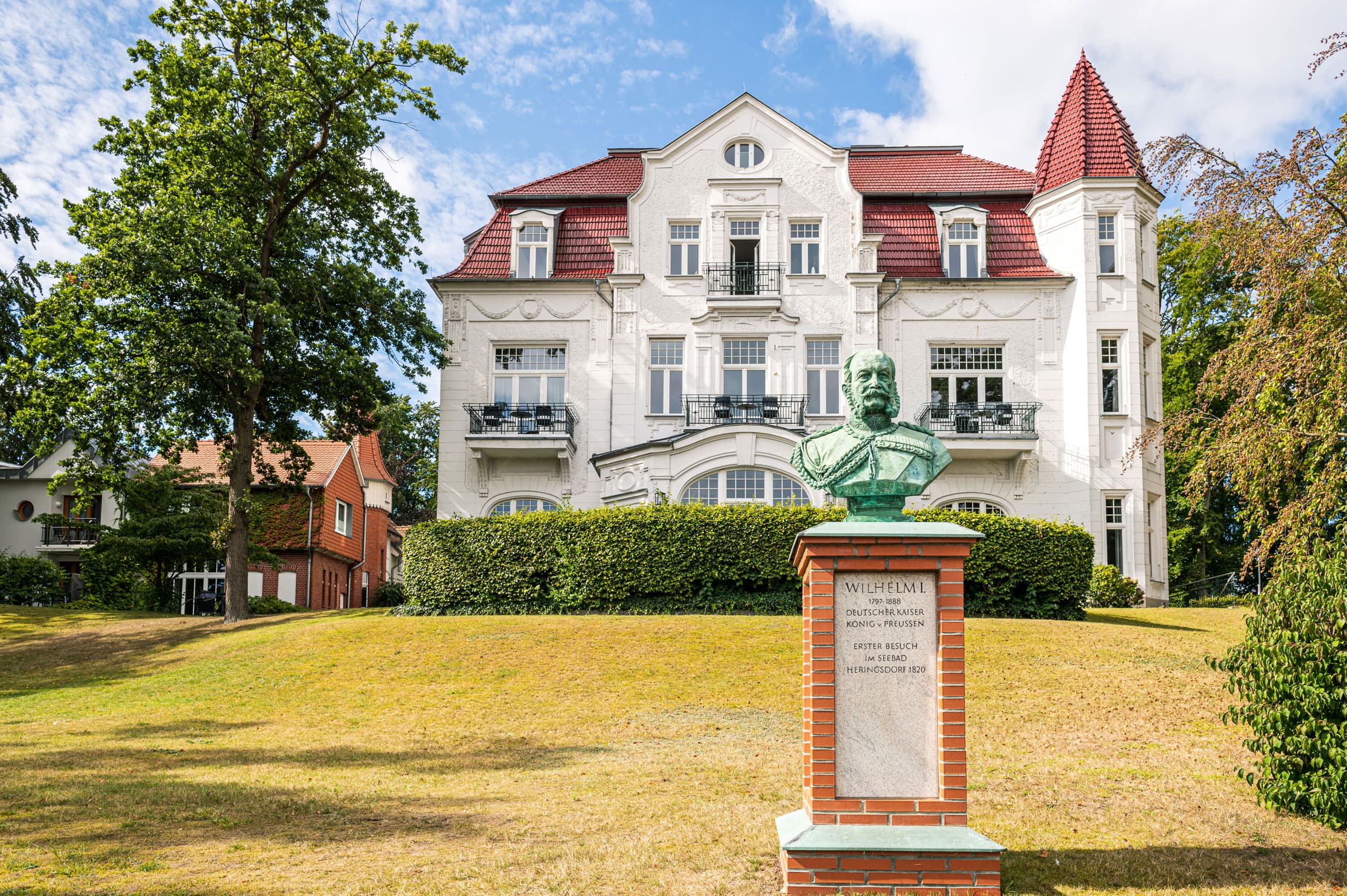
The cultural heritage of many eras
All over Usedom, you can discover historic sites with their rich blend of art and culture.
~ read more
Book Your Vacation Now
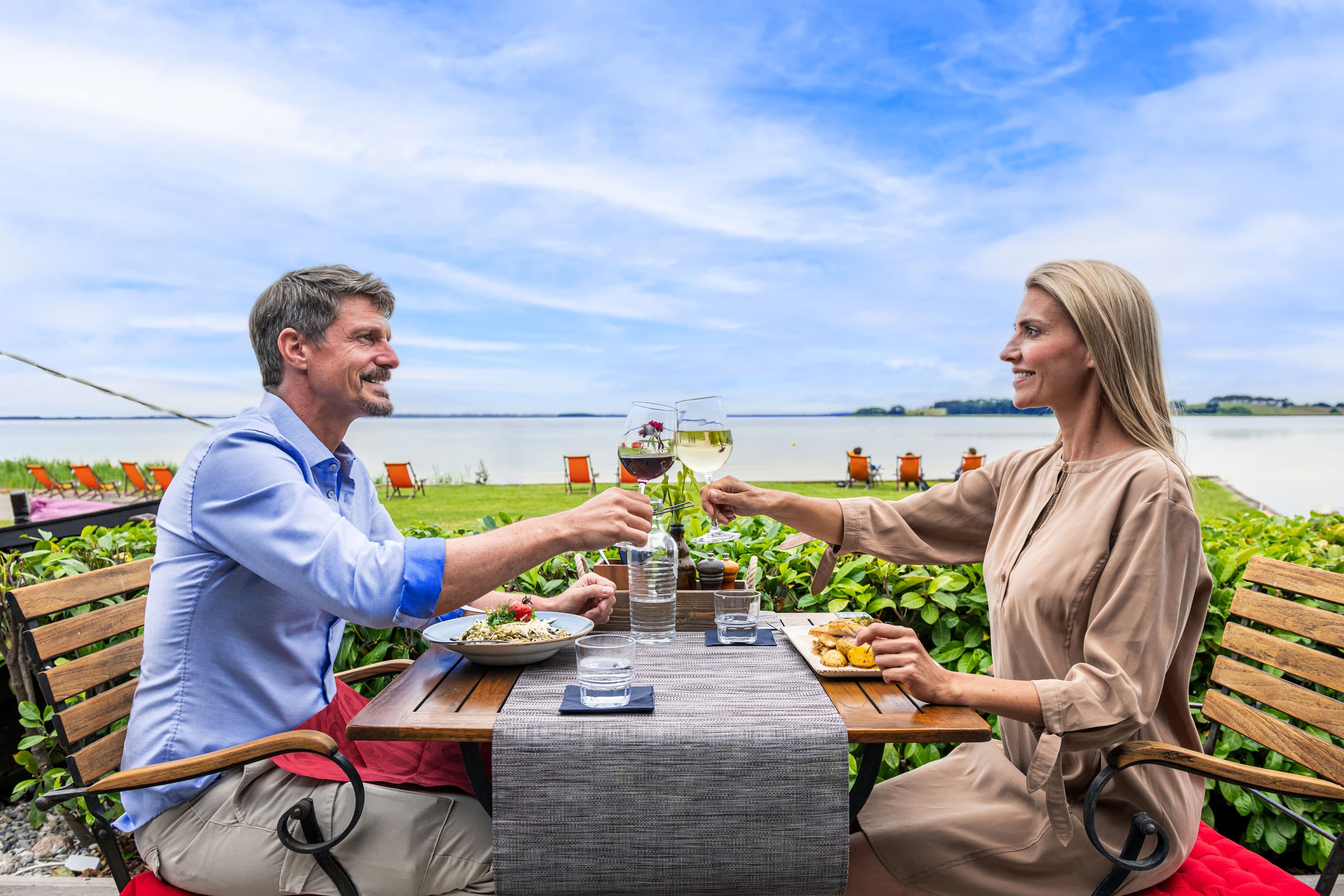
Delicious Cuisine on Usedom
The regional specialties of Usedom are simply part of the island's cultural life. Want to give them a try?
~ read more
Great news for you!
You can find the latest events, news, and interesting facts here. Browse through new stories about your favorite island, Usedom.
~ read more